In the golden rangelands of Northern Tanzania, the dawn has traditionally been marked by a heavy, acrid haze. For centuries, Maasai and Meru women began their days leaning over the "three-stone fire," breathing in thick smoke while preparing the family’s first meal. Today, that haze is lifting. This is the story of the "Greener Tanzania" project (2023–2026)—a strategic mission to replace the "thief of time" with technology that protects health, empowers women, and cools the planet.
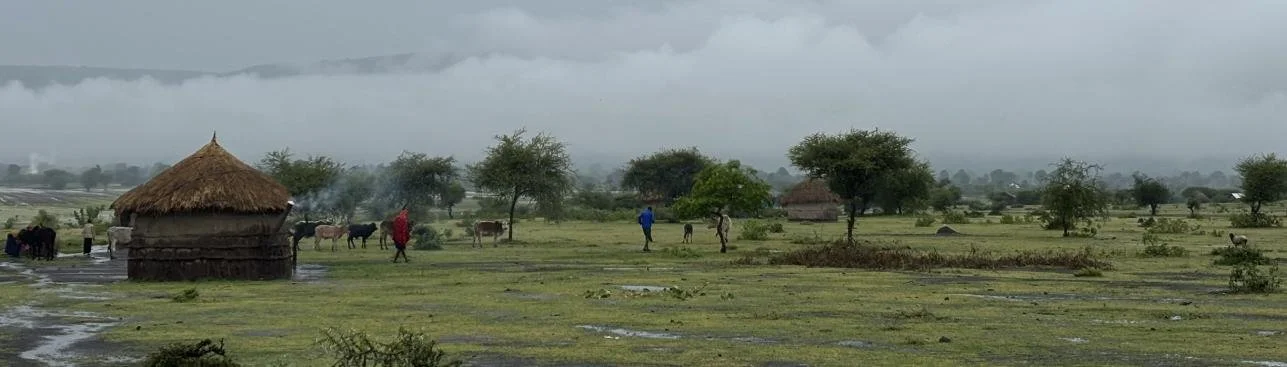
A Boma is a livestock enclosure, community enclosure, or a district government office. It is particularly associated with community decision making.
Photo: Jenny Öhman/FFD
The Breath of the Boma: Why We Must Act
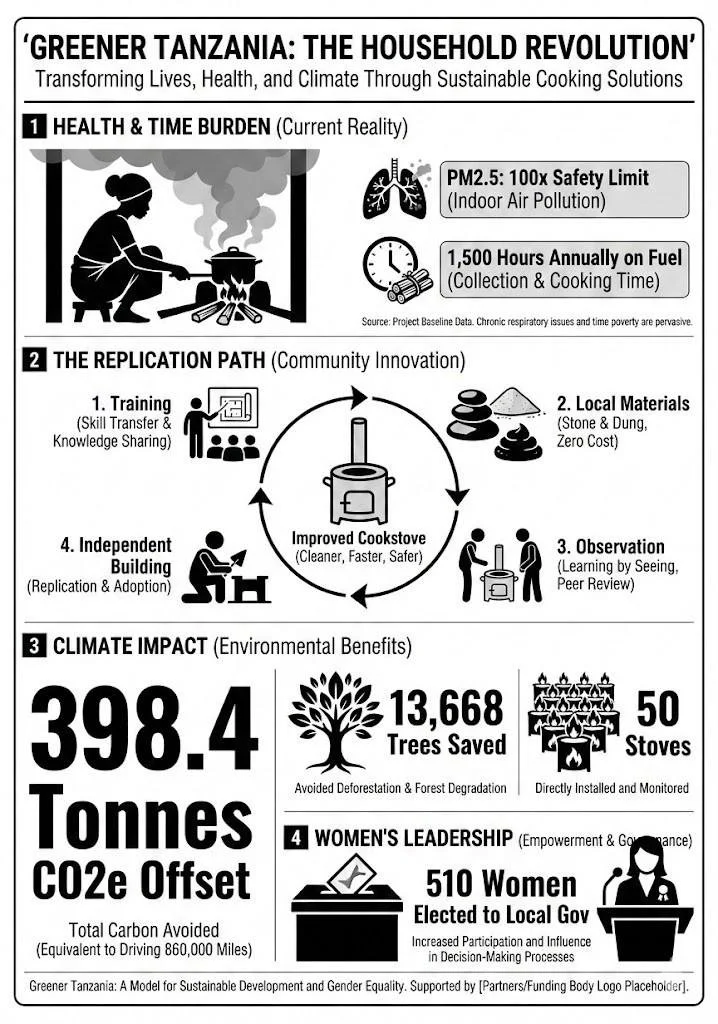
For the women of Arusha, traditional cooking is more than a chore; it is a health crisis. Indoor smoke can contain levels of fine particulate matter (PM2.5) up to 100 times higher than safety limits, making household air pollution one of the leading cause of death in Tanzania.
"Before, the smoke was everywhere in the boma. It made our eyes red, and our children were always coughing. Now, with the new stove, the house is clean, and I am not suffering from chest pain anymore. I have more time for my beadwork."
— Testimonial from a Maasai woman in Longido, Maisha Bora Project, Trias.
The Ticking Clock: Population vs. Forest vs. Biomass Dependency
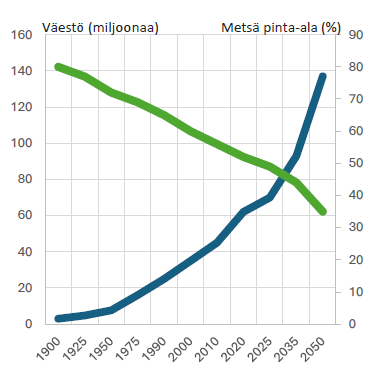
Tanzania is at a demographic crossroads. The population, currently approximately 70.6 million, is projected to nearly double to 129.6 million by 2050. This growth creates a “Squeeze on the Commons,” where the demand for domestic fuel—predominantly wood and charcoal (95%)—threatens to outpace nature's ability to regenerate.
“We are burning the biomass that soon does not exist anymore”
Deforestation Crisis: Tanzania already has one of the highest deforestation rates globally, losing approximately 469,000 hectares of forest per year.
Economic Cost: The cost of inaction on clean cooking is estimated at US $39 billion annually, driven by health burdens and lost productivity..
Maankäyttö: Vuosien 2017 - 2023 välillä yli 150.000 hehtaaria Maa'saiden laidunmaata on otettu viljelymaaksi, joka osaltaan vähentää perinteisen kestävän polttopuun saatavuutta.
The Land Pressure: Between 2017 and 2023, over 152,000 hectares of Maasai rangelands were converted to cropland, further reducing the availability of traditional sustainable firewood sources.
The Greener Tanzania
The project was implemented to empower Ma’asai communities—particularly women and youth—by integrating environmental restoration with social justice and economic resilience. By securing land rights and introducing sustainable technologies, the project seeks to transform lives while protecting the fragile ecosystems that sustain them.
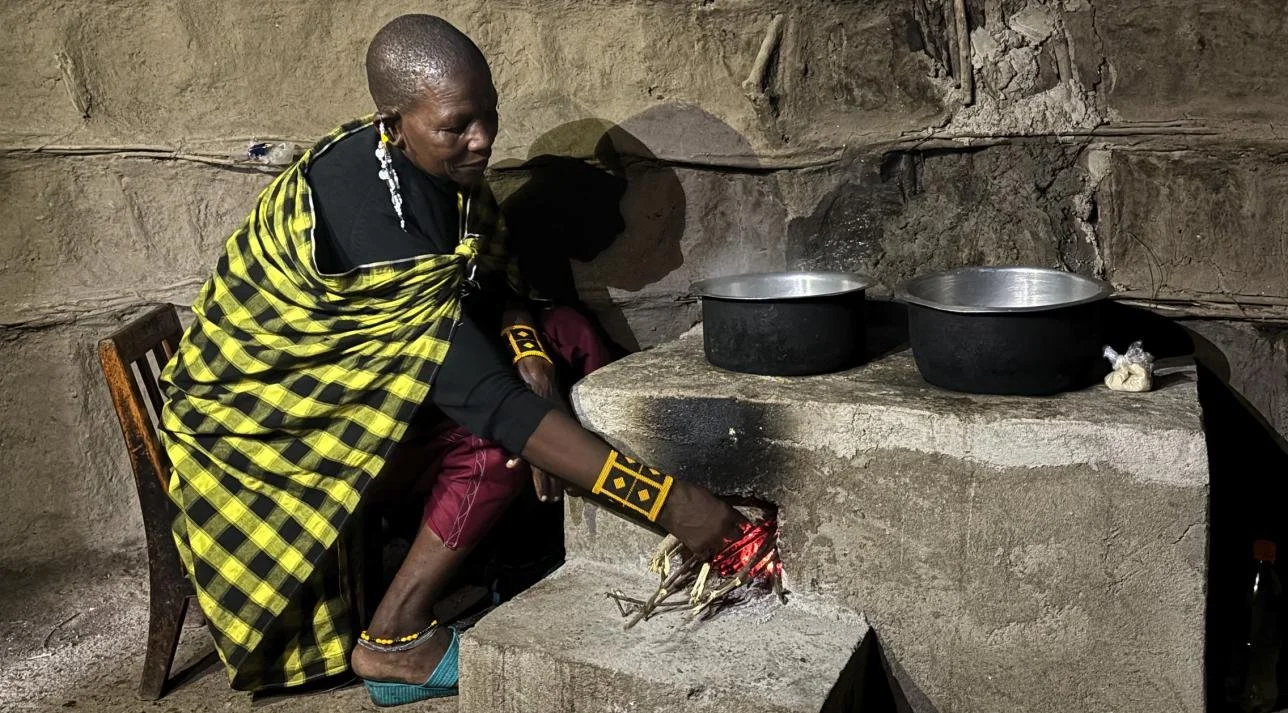
Photo: Jenny Öhman/FFD
Major Actions Implemented:
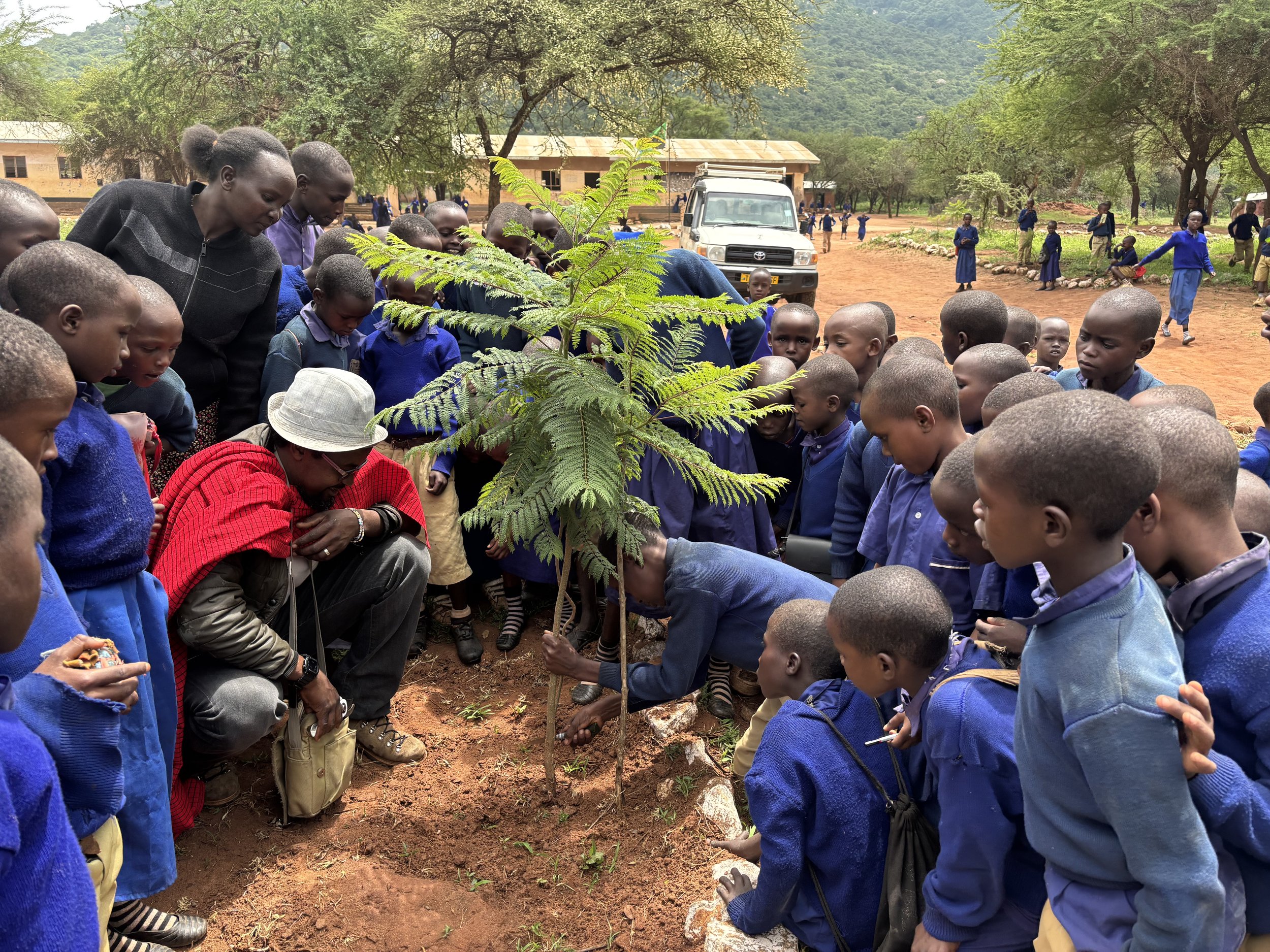
Photo: Jenny Öhman/FFD
Environmental Restoration: Facilitated massive tree-planting campaigns and established tree nurseries in schools and youth groups to restore degraded lands.
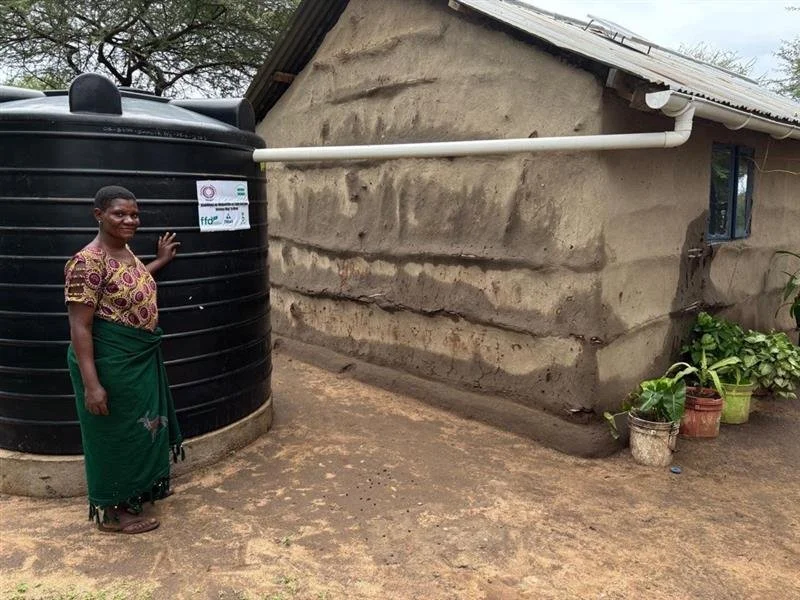
Photo: Jenny Öhman/FFD
Climate-Resilient Infrastructure: Installed energy-efficient stoves and rainwater harvesting tanks in households to reduce the time women spend fetching water and firewood.
Women’s Empowerment and Leadership: Trained women as "Land Rights Champions" and provided intensive leadership training to encourage them to contest in local government elections.
Sustainable Livelihoods: Conducted training on sustainable beekeeping, holistic grazing management, and financial inclusion through Village Savings and Loan Associations (VSLA).
Key Numbers:
5,227 Total Beneficiaries: This includes 2,197 women, 1,300 men, 1,531 youth and 199 persons with disabilities reached reached through various trainings and workshops.
54,975 Trees Planted (2023-2025): A total of 11,675 trees in the first half of the year 2025 and 6,549 in the final quarter, with an average survival rate of 75%.
511 Women Elected: Out of 683 women who contested for local government positions in Monduli District, 511 were elected, including 13 from the Women’s Rights and Leadership Forums (WRLF).
14,620.29 Hectares Managed: Large tracts of land are now under holistic grazing plans across three villages.
Project provided: 32 insulated cookers, 20 efficient stoves, and 50 rainwater harvesting tanks, which gave confidence for the community to invest on 44 water tanks and 53 stoves.
As of January 2026, the community is benefiting from 94 water tanks and 105 energy efficient cooking devices.
Innovation from the Hearth: The Power of Local Materials
One of the project’s most significant breakthroughs is the shift toward stoves built entirely from locally available materials—specifically stones, sand, and cow dung.
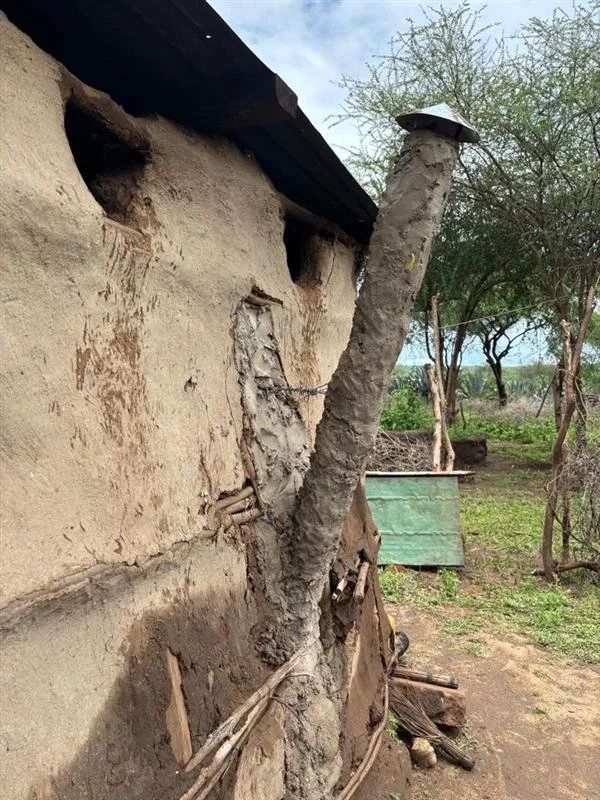
Photo: Jenny Öhman/FFD
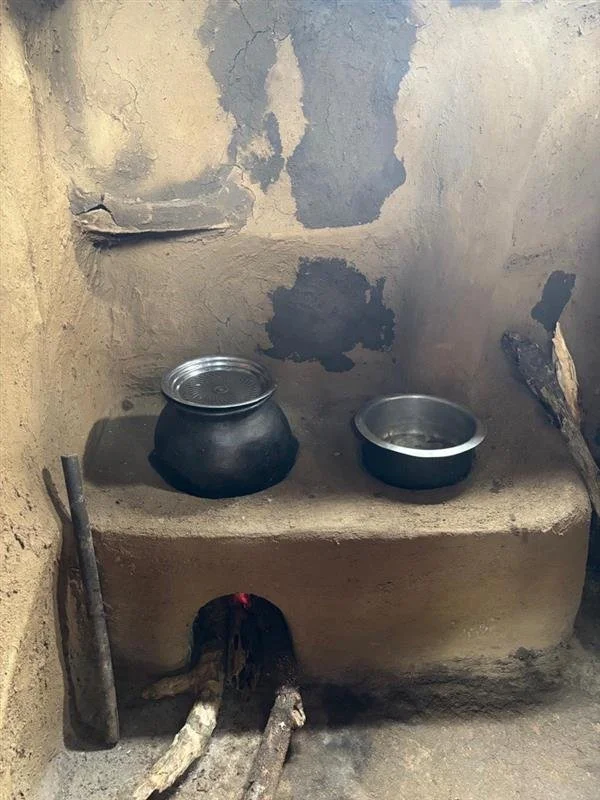
Photo: Jenny Öhman/FFD
This is not just a technical choice; it is a strategy for total community independence.
Economic Independence: By using stones, sand, and dung, the project "enables everyone on the ground to make use of it," regardless of their income level. This removes the financial barrier of imported metal or industrial components.
Technical Sustainability: Unlike specialized appliances, these models do not require external supply chains or "city paychecks" for repairs. If a stove is damaged, the materials for repair are found right in the boma.
Cultural Congruence: Different options were pre-tested specifically to find a stove that "will suffice the need of pastoral women," ensuring the design fits the specific pots and cooking habits of the Maasai and Meru.
Organic Scaling: Because the materials are ubiquitous, the technology can spread "bottom-up" without waiting for new project shipments or external contractors.
The Viral Effect: Triggering Organic Replication
The arrival of these stoves has sparked a chain reaction of "organic scaling." Communities are no longer just receiving technology; they are demanding it at their own expense.
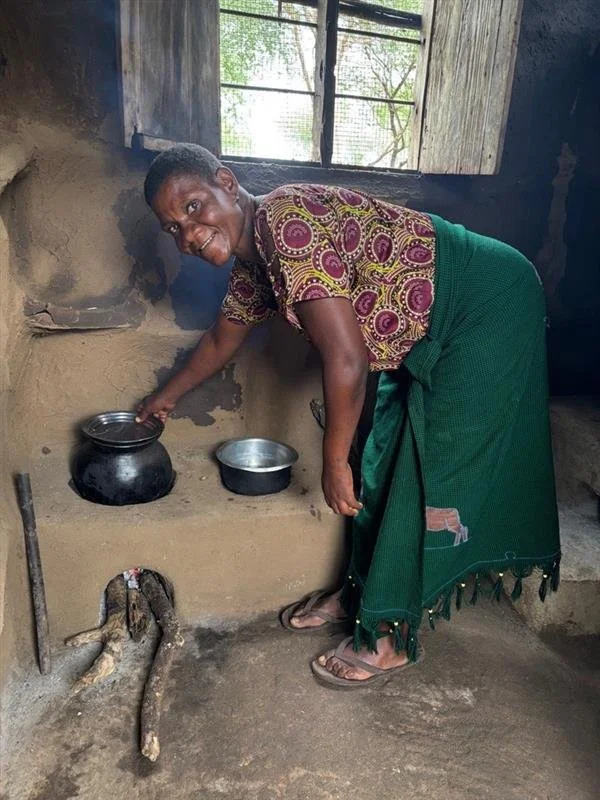
Neema Charles at the new and improved stove
Photo: Jenny Öhman/FFD
Self-Initiated Adoption: PWC reported receiving calls from community members in villages where they had not yet intervened, requesting "the supplier's and contractor’s contacts to book the tanks and stoves to be installed to the families at their own cost."
Peer Training: After the initial dissemination, Neema Charles and 36 "Trainers of Trainers" began teaching neighbors, leading to a rapid spread where "more families enjoy cleaner and safer cooking" through community-led efforts.
Changing the Male Perspective: The revolution has reached the men. In Makuyuni, husbands who initially questioned the initiatives now push their wives to attend meetings. One husband recently asked: "How can you miss a meeting that gave you the milking goat?"
The Greener Tanzania project aligns strongly with Tanzania's national climate and development frameworks, particularly in its focus on the Northern Highlands' pastoralist communities.
Nationally Determined Contributions (NDC) 2021 & Climate Strategy:
Emissions Reductions: Tanzania's updated NDC (2021) raised its 2030 emission reduction target to 30-35%. Greener Tanzania’s planting of 54,975 trees contributes directly to the NDC’s forestry sector mitigation goals.
Climate Adaptation: The National Climate Change Response Strategy (NCCRS) 2021-2026 prioritizes adaptation for livestock and water-stressed areas.
National Clean Cooking Strategy (2024-2034):
Access Targets: The national strategy aims for 80% clean cooking access by 2034. Greener Tanzania’s distribution of insulated and energy-efficient stoves to 50 households and training of 36 Trainers of Trainers (TOTs) acts as a critical grassroots implementation of this vision.
Health and Gender: The strategy emphasizes reducing the 39,200 annual deaths linked to household air pollution. Project’s focus on women-led energy solutions directly addresses the "health-energy-gender" nexus highlighted in the National Gender and Women Development Policy (2023).
Arusha & Maasai Development Context:
Pastoralist Rights & Governance: Research on dryland governance in Monduli and Ngorongoro emphasizes the need for devolved climate planning. Project’s work through UCRT and PWC to secure land rights and establish Emurwa Women’s Rights and Leadership Forums (WRLFs) directly empowers Maasai communities to manage their resources.
Political Representation: The National Five-Year Development Plan (FYDP III) prioritizes inclusive human development. Project’s success in getting 511 women elected to local government positions is a landmark achievement that exceeds regional norms for pastoralist areas.