The Building Resilience with Trees project reached a milestone on 25 February 2026 with a vibrant exit workshop in Njombe — an event that brought together farmers, tree growers, researchers, local authorities and technical institutions to celebrate four years of farmer-led experimentation and climate-resilient innovation.
More importantly, the workshop showed something deeper: Building Resilience with Trees project has built a network that will continue working long after the project ends.
Farmer Results That Matter
The Building Resilience with Trees project directly involved over 3,000 farmers and tree growers through training, experimentation, microfinance groups, and climate‑resilient livelihood activities.
1. Climate-smart methods adopted at scale
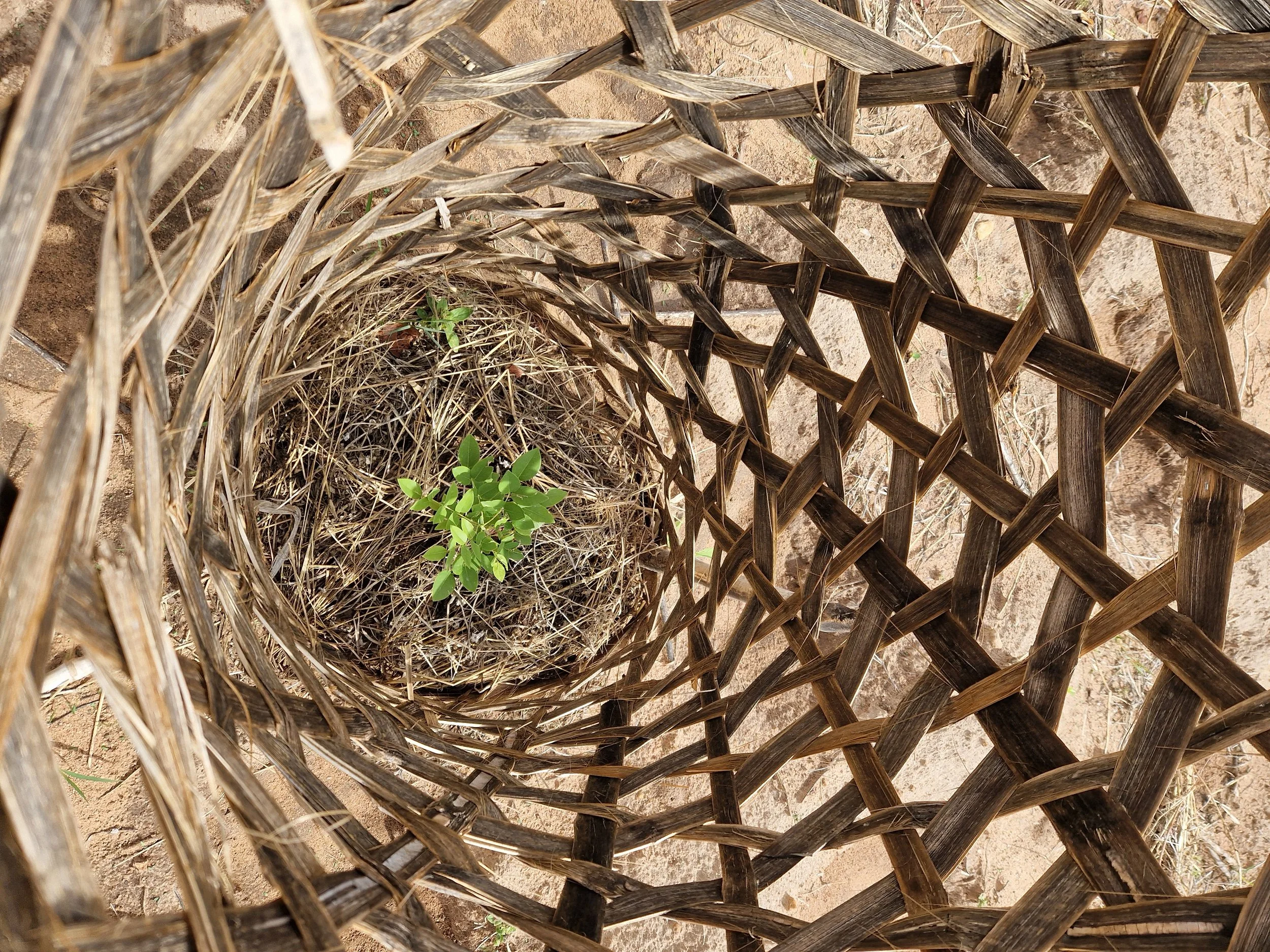
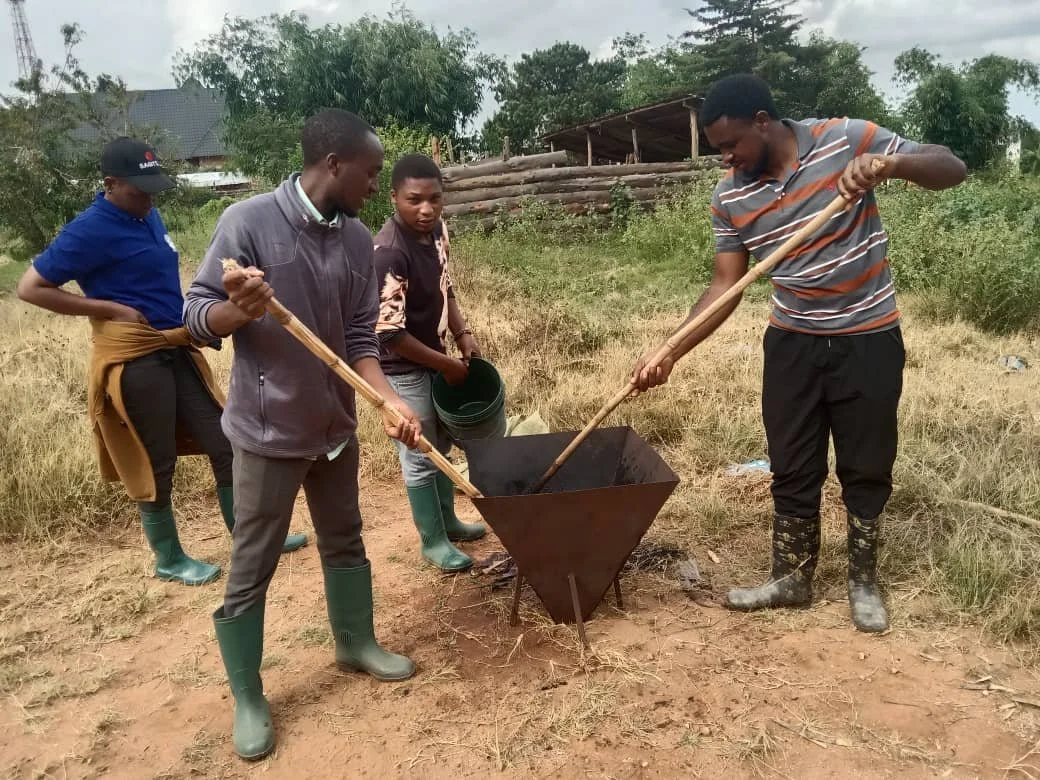
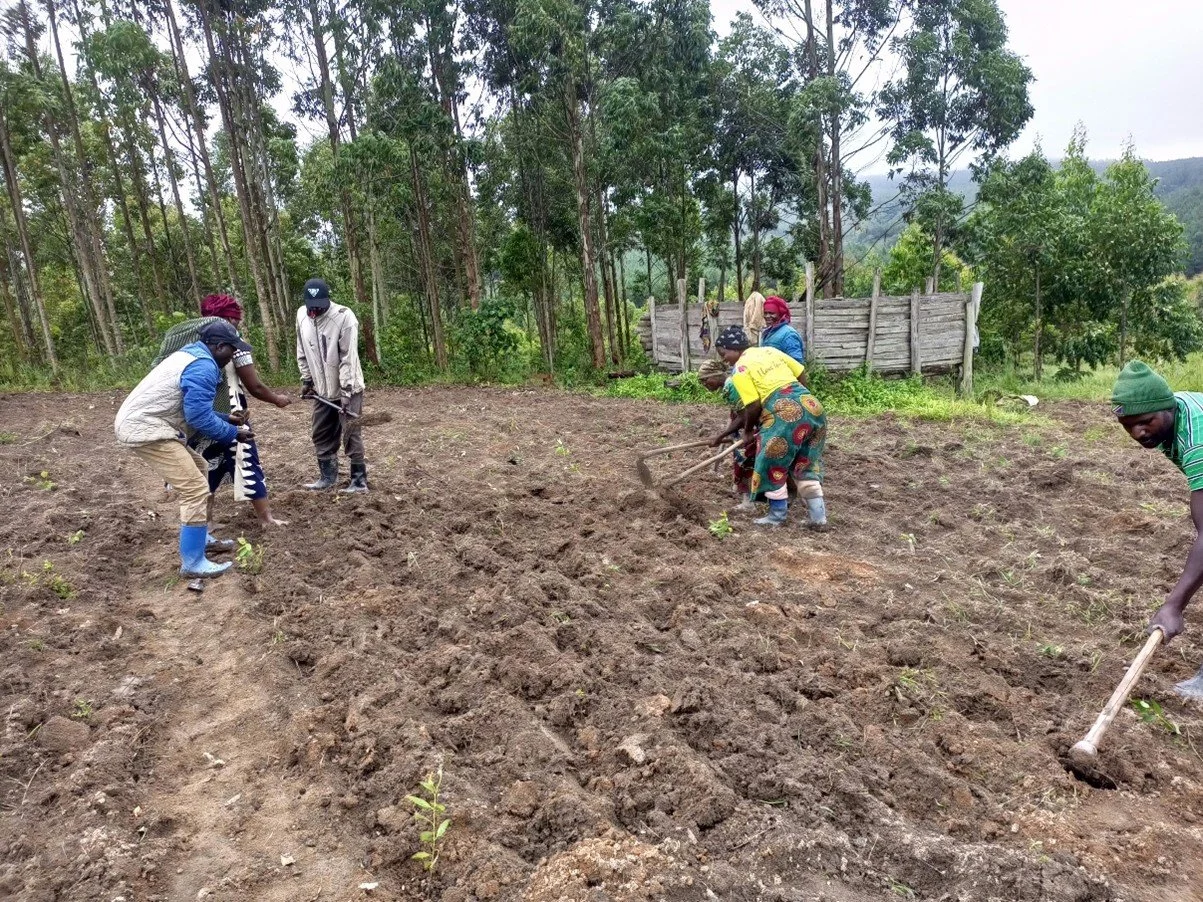
Farmers across Njombe and Songwe tested and adopted biochar, mulching, manure management, conservation agriculture, agroforestry, and improved beekeeping.
Trials combining biochar + manure delivered the strongest outcomes, with farmers reporting higher yields and healthier soils.
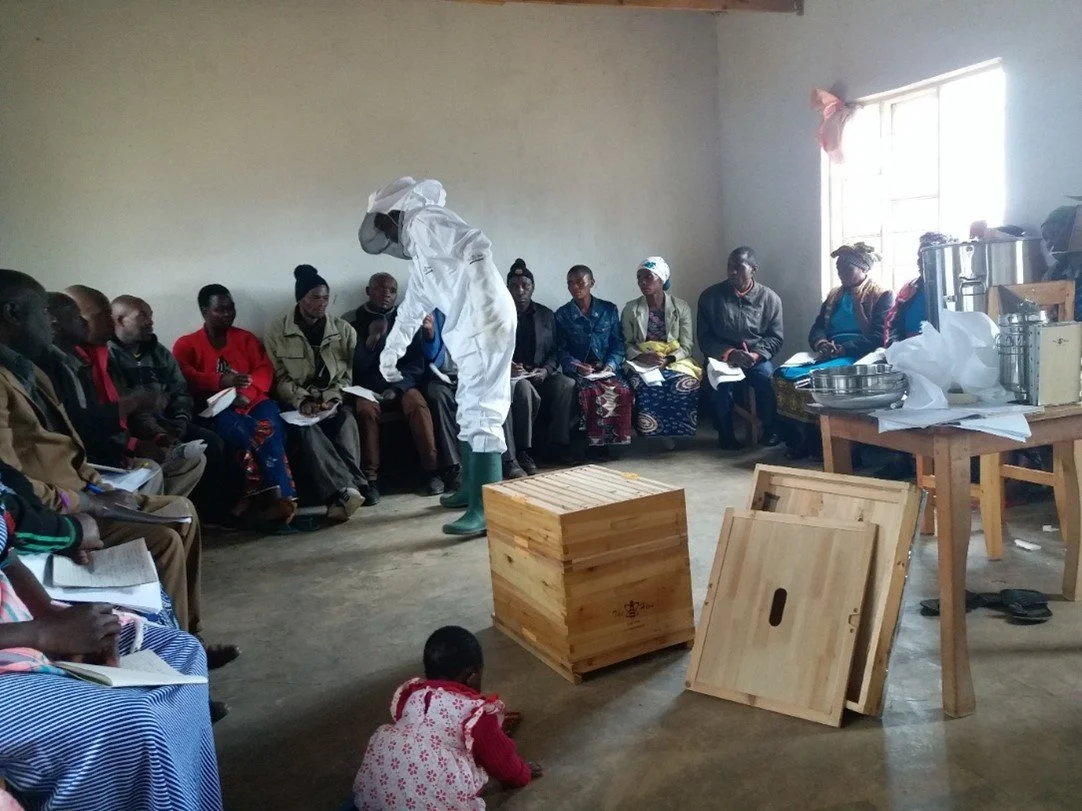
Beekeeping expanded rapidly — honey production rose from 1,260 kg to 4,930 kg/year, driven by modern hives and better management.
2. Demonstration plots driving peer learning
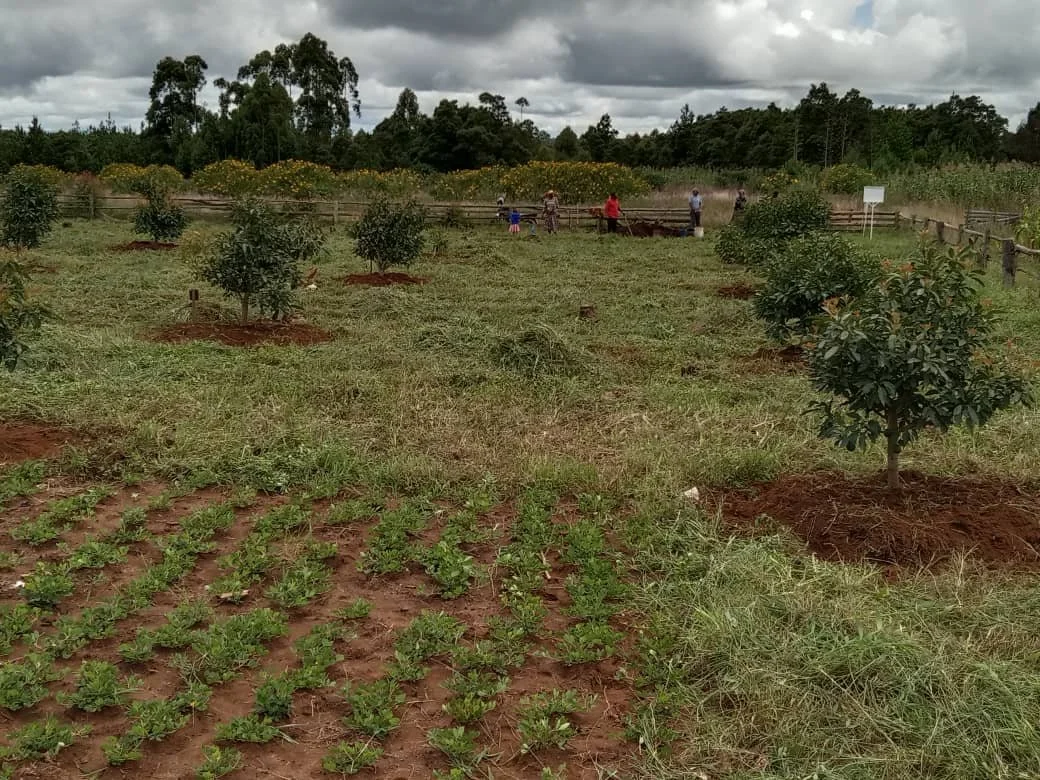
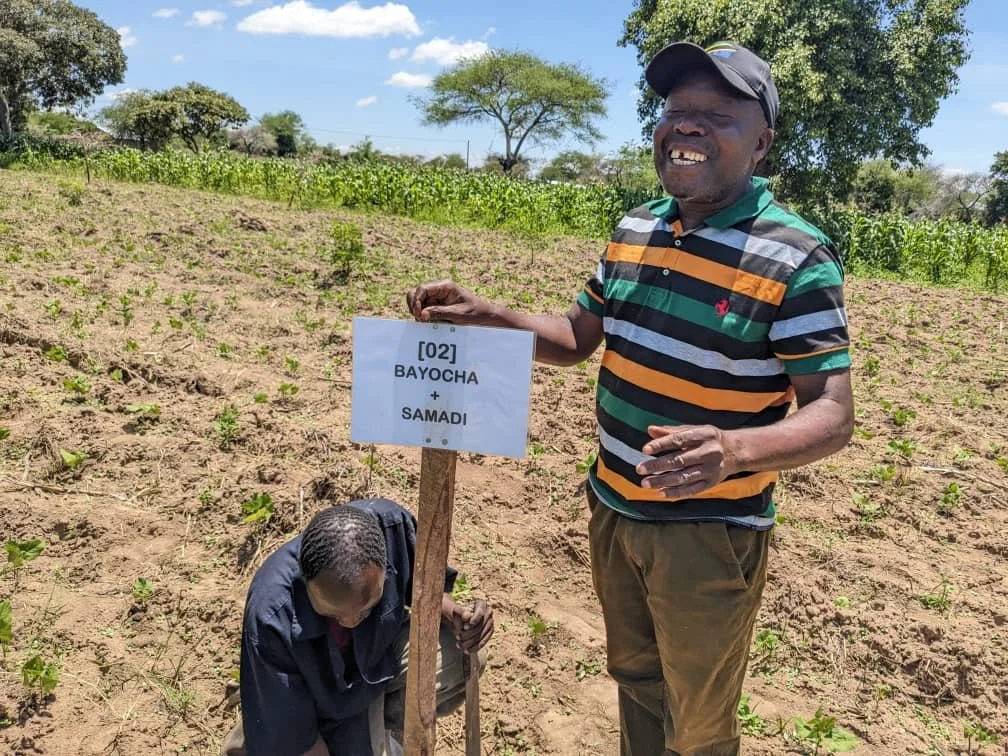
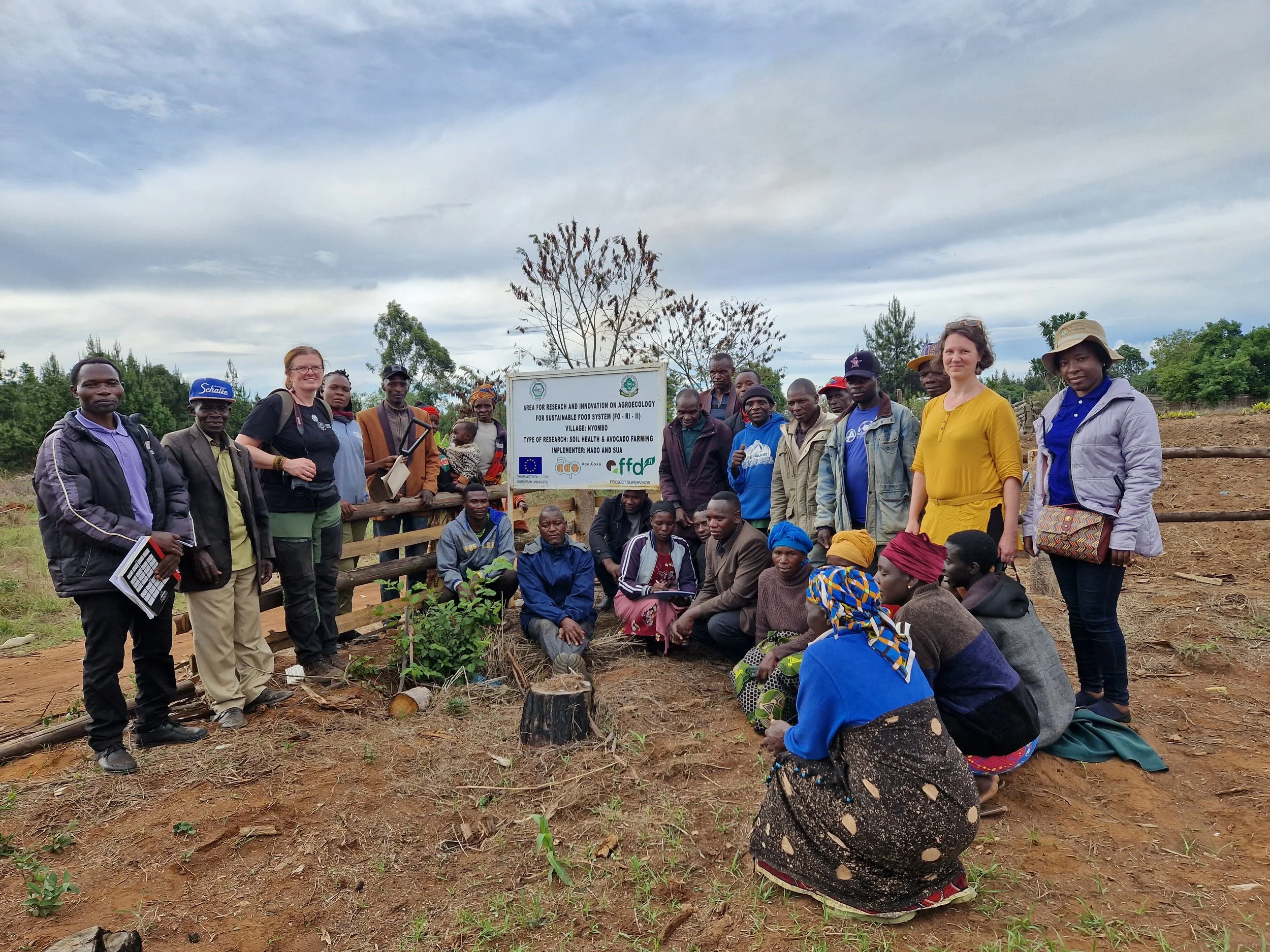
Tanzania Tree Growers Association Union - TTGAU and Njombe Agricultural Development Organization - NADO established 15 experimental sites across different agroecological zones.
Farmers described an important shift: “Now our neighbours come to ask how to make their farms look like ours.”
Demonstration plots have become local learning hubs, a role they will continue beyond the project.
”Now our neighbours come to ask how to make their farms look like ours.”
New Connections That Will Last
The most striking outcome of the exit workshop was the strength of collaboration. The Building Resilience with Trees project successfully created a multi-actor climate platform involving:
Farmer Organizations
TTGAU and NADO now have Resilience Action Plans endorsed by local government authorities (LGA) — a major step for institutional integration.
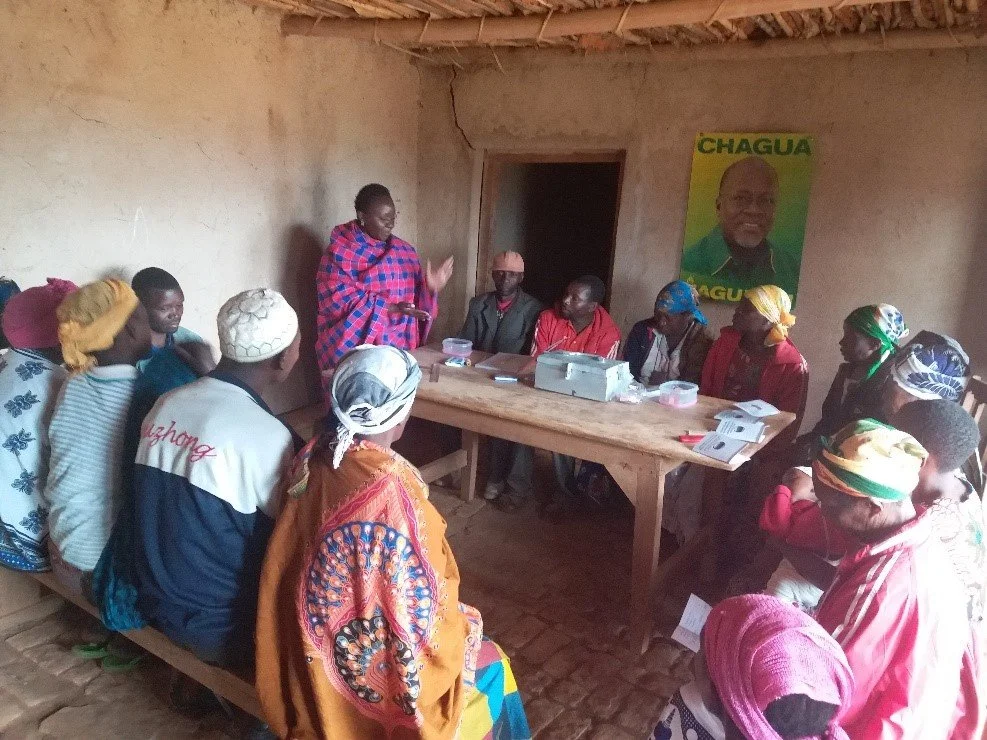
Community Microfinance Groups mobilized 29 million Tanzanian Shillings in savings, enabling 135 farmers to buy land and invest in climate-smart production.
Research & Academia
Sokoine University of Agriculture - SUA provided scientific guidance through the project on soils, fertilization and long-term monitoring, ensuring that farmer innovations are grounded in research.
SUA will continue publishing technical reports and articles, keeping the knowledge loop open.
Local Government Authorities (LGAs)
Officials from district and regional levels committed to integrating the project practices into local climate strategies.
Their presence signals long-term support for scaling demonstration plots, sustainable land-use practices and bylaws for fire management.
Technical Agencies
Partners such as Tanzania Agricultural Research Institute - TARI, Southern Highlands Participatory Organization - SHIPO, Tanzania Forest Services Agency - TFS and Tanzania Meteorological Authority- TMA played key roles:
SHIPO offered expertise on local pesticide alternatives and farmer training support.
TARI emphasized soil-friendly, sustainable seed choices.
TFS stressed the importance of quality seedlings and resilient tree varieties.
the FORLAND project highlighted the need for farmer ambassadors to spread knowledge.
This network — farmers, farmer’s organizations, researchers, LGAs and technical agencies — is the legacy of the Building Resilience with Trees project.
Inclusion, Confidence & Community
Inclusive participation
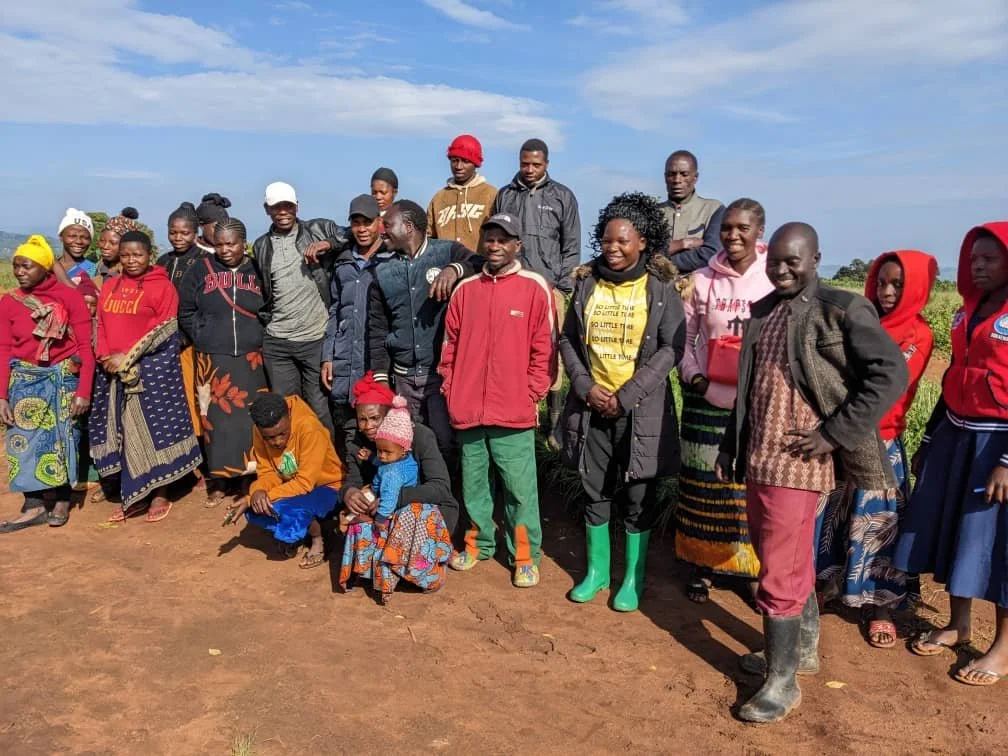
The FORI project directly reached 3,001 farmers (2,291 through NADO and 710 through TTGAU), including 1,510 women and 1,491 men out of which 981 youth and 42 persons with disabilities.
Persons with Disabilities representatives emphasized how the project gave them visibility and access to knowledge previously out of reach.
Stronger local governance
NADO supported the creation of fire management bylaws in 8 villages, improving landscape-level resilience.
Farmers gained skills in responsible agrochemical use and in producing safe, local organic alternatives.
Shifts in mindset
Farmers shared powerful testimonies:
“We thought trees compete with crops, now we see they improve the soil, increase yields and give us material for biochar and fodder.”
“Beekeeping used to give us a few litres of honey, now we harvest 15 litres from one hive.”
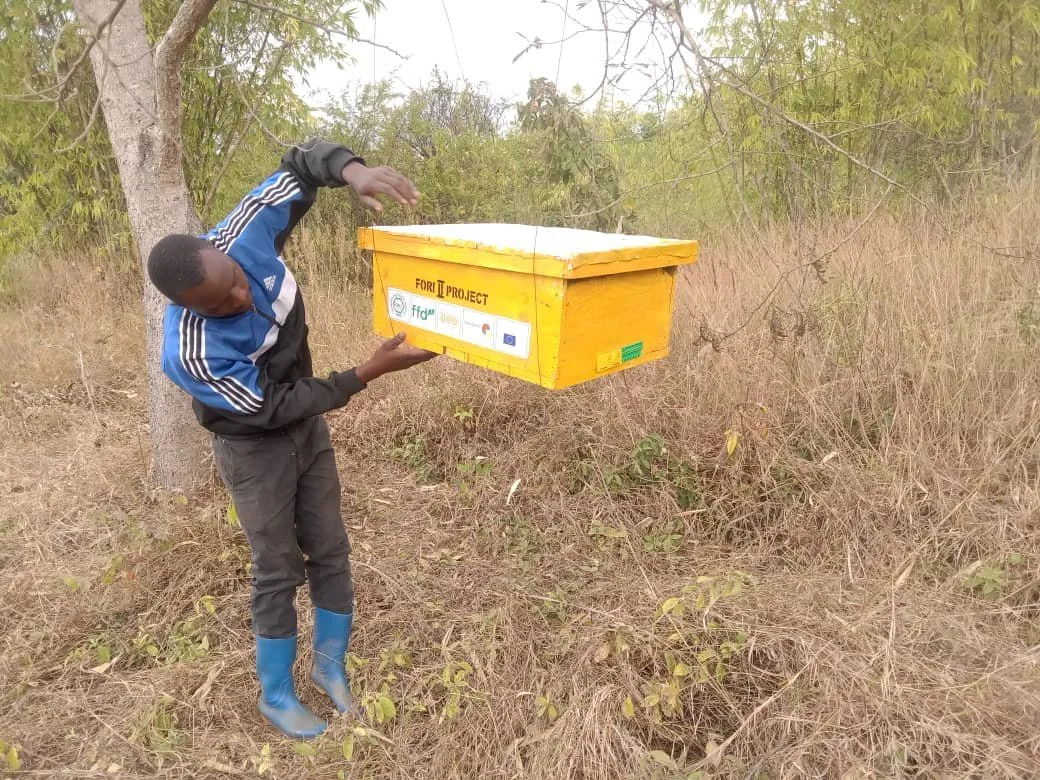
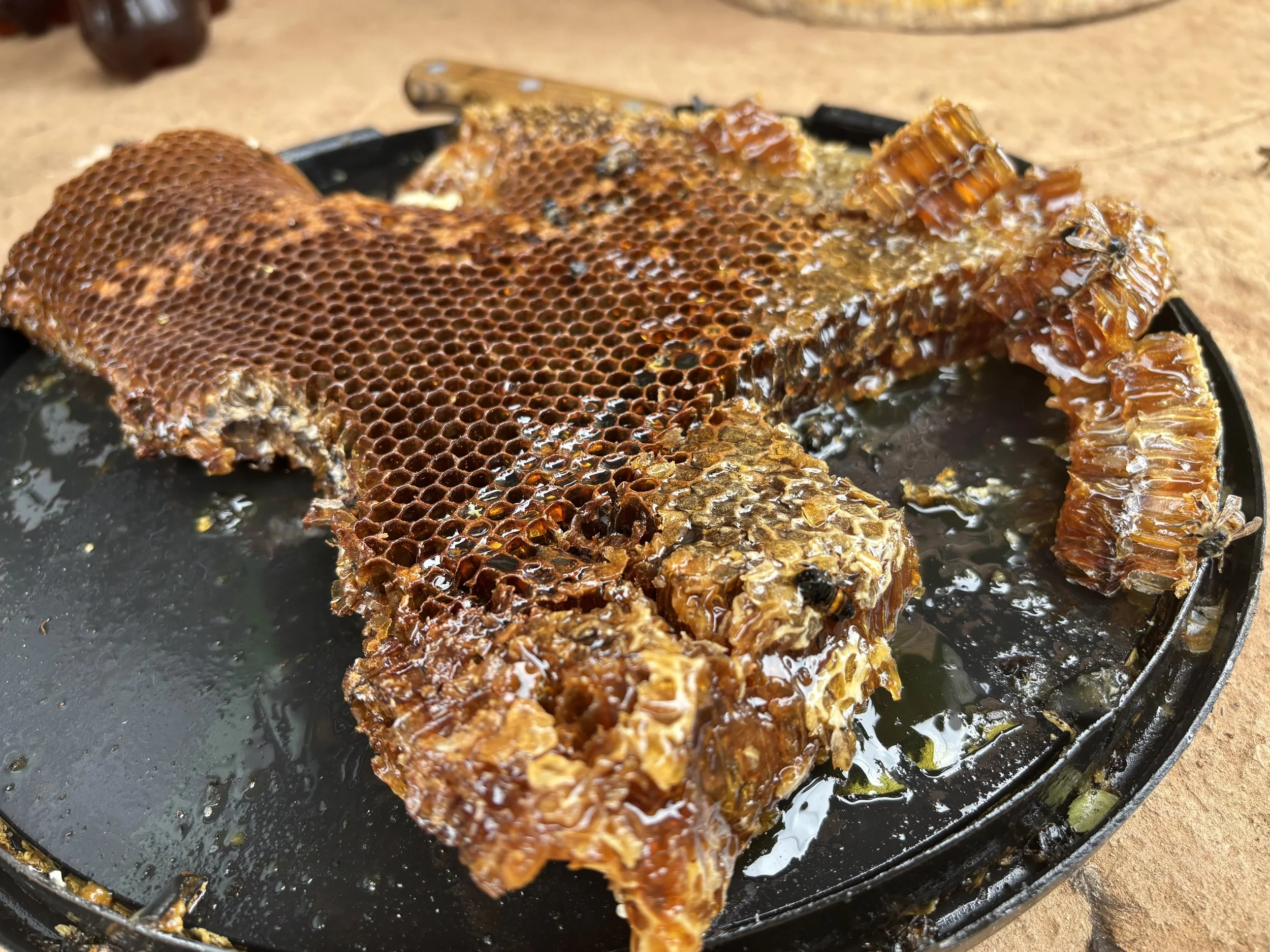
”Beekeeping used to give us a few litres of honey, now we harvest 15 litres from one hive.”
Where the Momentum Goes Next
Even as the FORI project closes in mid-2026, partners are committed to building on its achievements.
Priorities for the next phase:
Continued monitoring of biochar, agroforestry and beekeeping experiments
Strengthening farmer-to-farmer knowledge sharing through ambassadors and demo plots
Expanding CMGs and youth- and women-led enterprises
Deepening collaboration between farmers’ organizations, SUA, LGAs and technical institutions
Ensuring safe, informed use of agrochemicals and scaling natural alternatives
Embedding climate-resilient practices into long-term local government planning
As the Njombe Regional Agricultural Officer said in the final remarks: “This is not the exit — this is a start.”
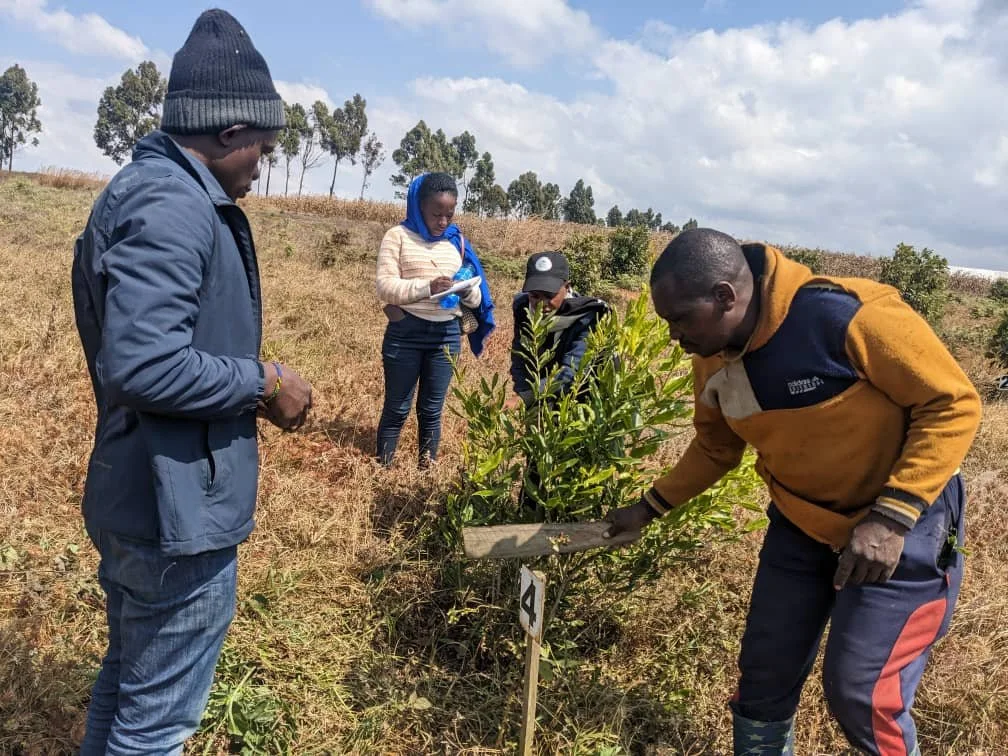
”This is not the exit — this is a start.”
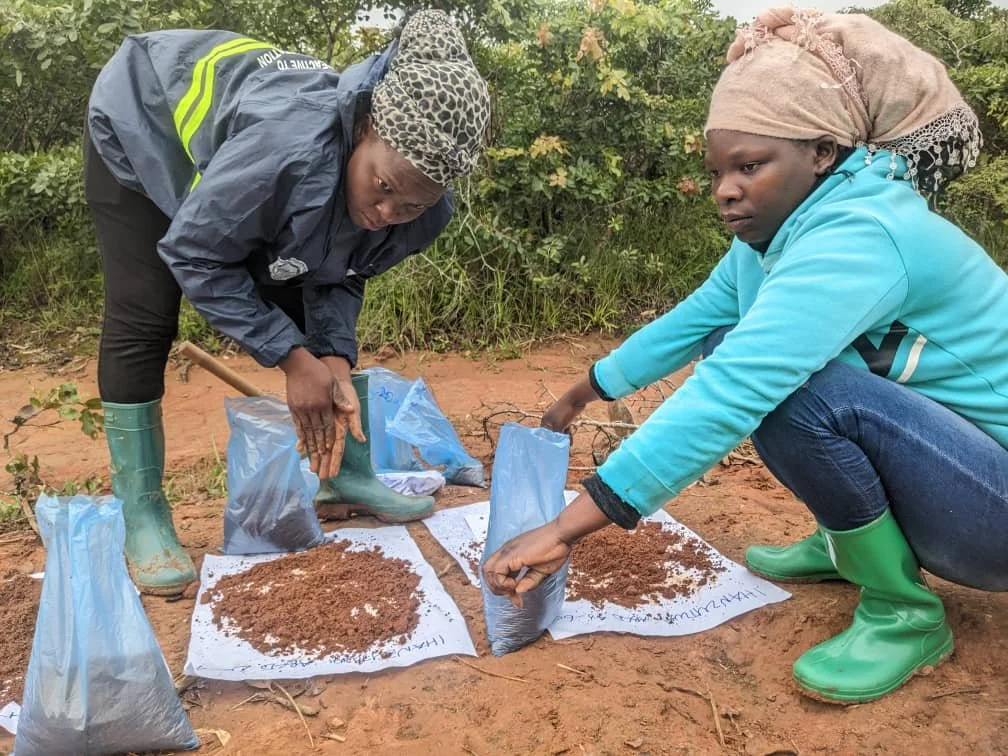
The project “Building Resilience with Trees: climate proofing of services provision by local farmer organizations in Tanzania” is implemented by Food and Forest Development Finland – FFD in collaboration with local partners Njombe Agricultural Development Organization (NADO), Tanzania Tree Growers Association Union (TTGAU) and Sokoine University of Agriculture (SUA) 2022-2026.
The project is part of the AgriCord-led Farmer-led Research and Innovation (FO-led R&I or FO-RI) programme with the financial support of the European Commission (EC) and Organisation of African, Caribbean and Pacific States (OACPS).
Pictures by FFD, NADO and TTGAU