Picture: Jenny Öhman/FFD
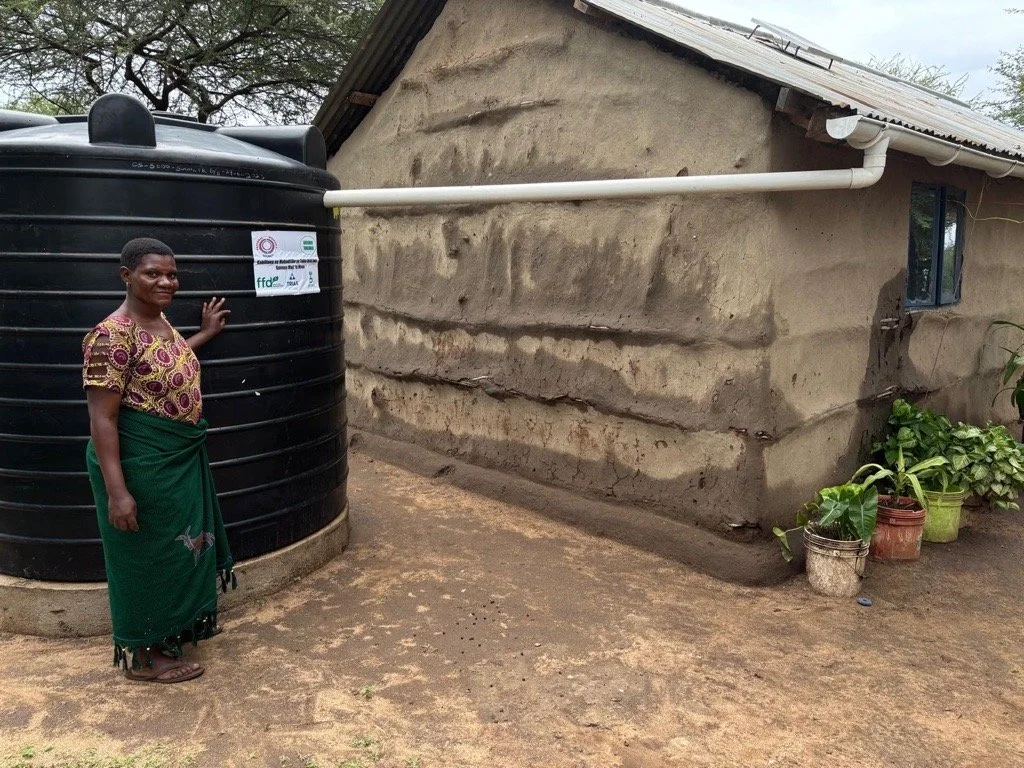
In the Maasai community in Tanzania, rainwater is a vital resource. Through the Greener Tanzania project, FFD support women with rainwater harvesting systems that collect water from rooftops and channel it into 5,000-liter tanks. This simple solution has transformed daily life: water is now easily available for cooking, livestock, and other household needs. With less time spent fetching water, girls in the family have better opportunities to attend school.
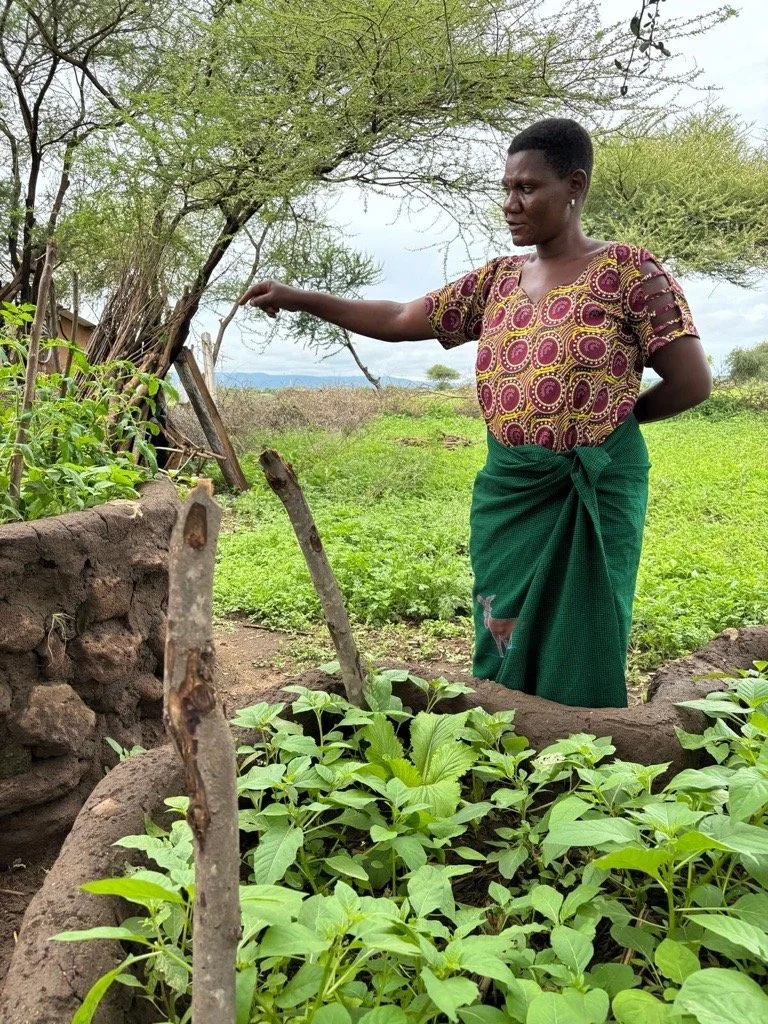
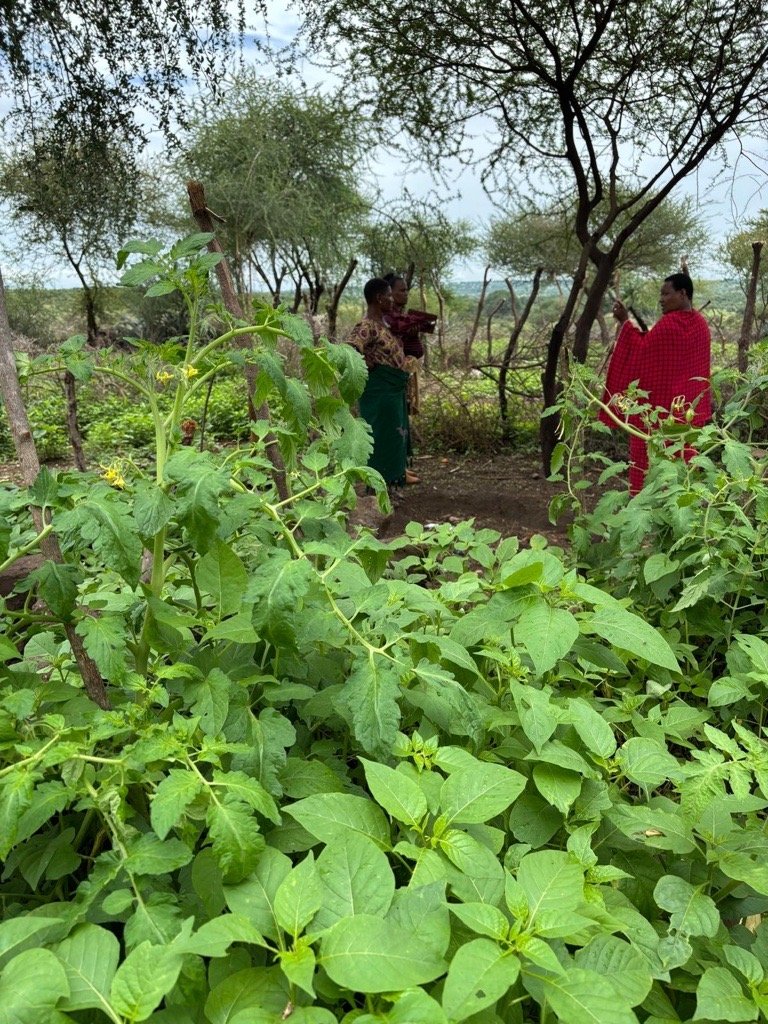
Neema Charles is one of the women involved in the project. She shares water with others, as the community has 50 supported tanks and a strong willingness to help each other. The water tank opened up new possibilities: as soon as she received it, Neema started a kitchen garden where she grows tomatoes and leafy greens. Fresh vegetables improve family nutrition and provide extra income.
Picture: Jenny Öhman/FFD
Picture: Jenny Öhman/FFD
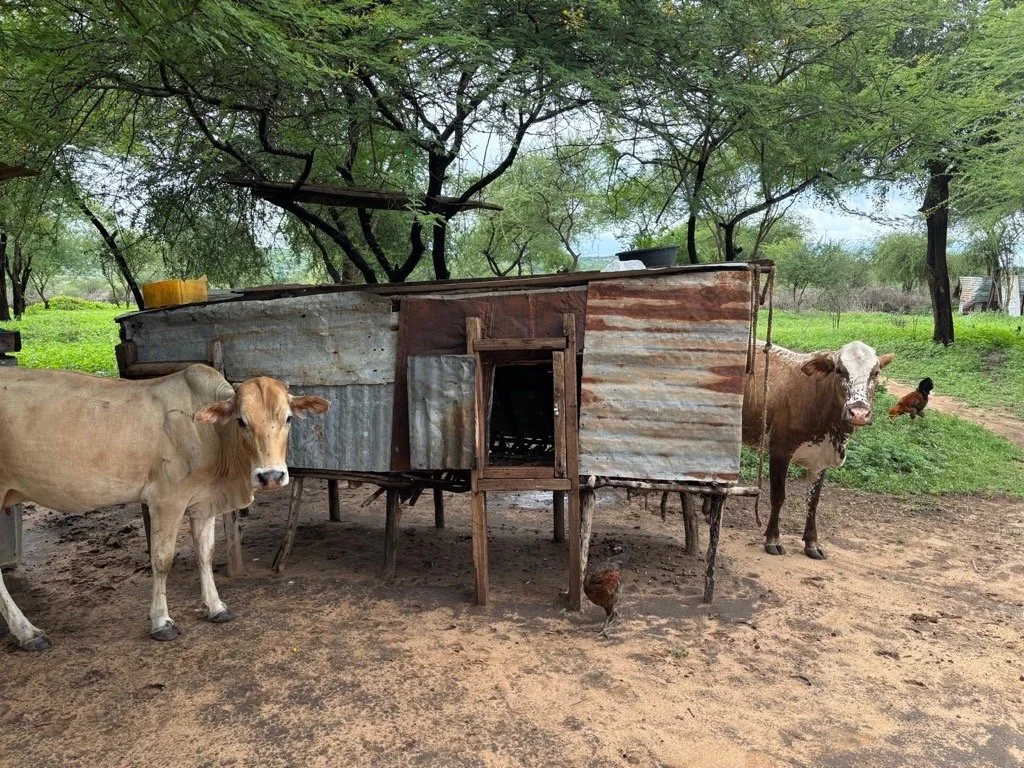
After losing her husband, Neema no longer owns livestock - her husband’s relatives kept the family’s cows and goats. She currently cares for two cows but plans to buy more chickens and goats, and eventually her own cattle. The water tank and garden are her first steps toward financial independence.
Picture: Jenny Öhman/FFD
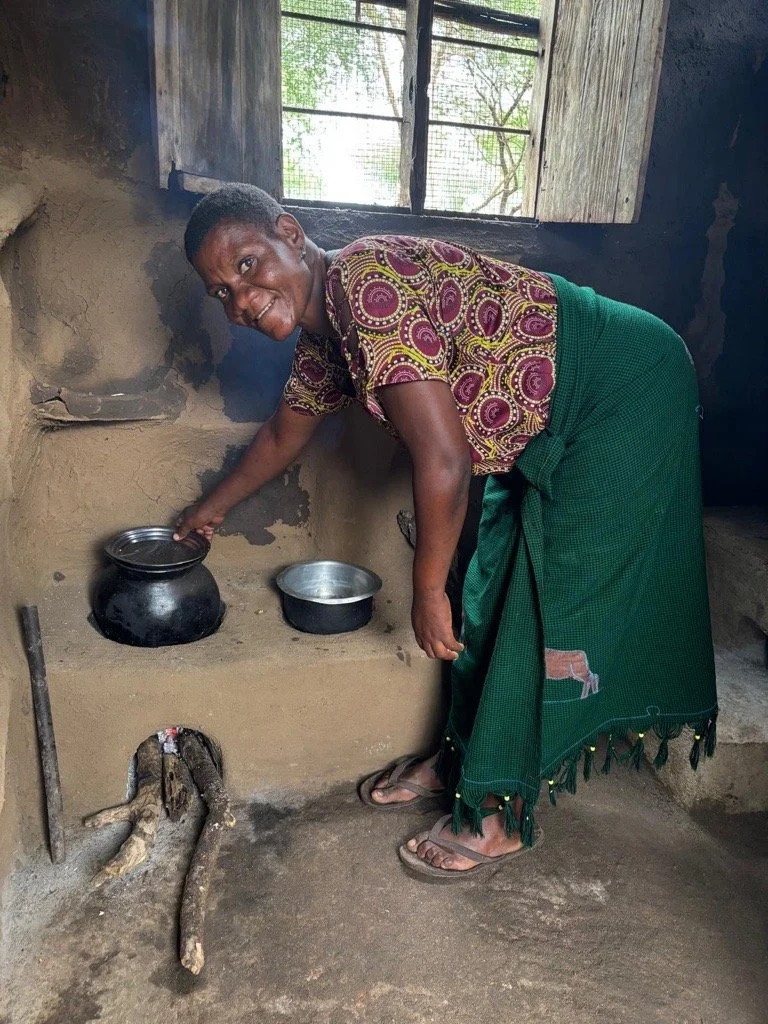
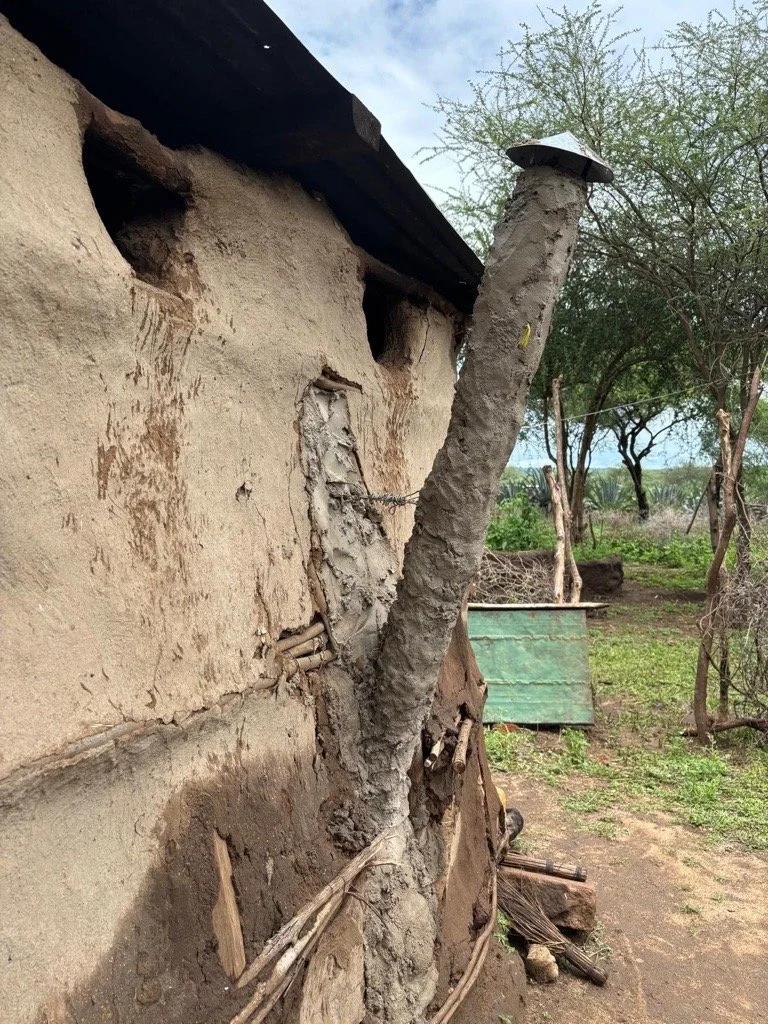
In the Greener Tanzania project, 32 women have also received improved stoves. These stoves use less firewood, remove smoke from the house through a chimney, and allow two pots to cook at the same time. This saves time and improves health. Neema didn’t stop at using the stove—she designed a model that can be built with locally available materials and taught other women how to make their own. Now, more families enjoy cleaner and safer cooking.
Picture: Jenny Öhman/FFD
Picture: Jenny Öhman/FFD
Neema is an example of a strong woman who finds ways to move forward and help others. Her story shows how water and creativity can change the course of life—and the future of an entire community.
FFD’s project Greener Tanzania is implemented by the local Pastoral Women’s Council, MviwaArusha and UCRT, in collaboration with Trias. The project is supported through Finland’s development cooperation.