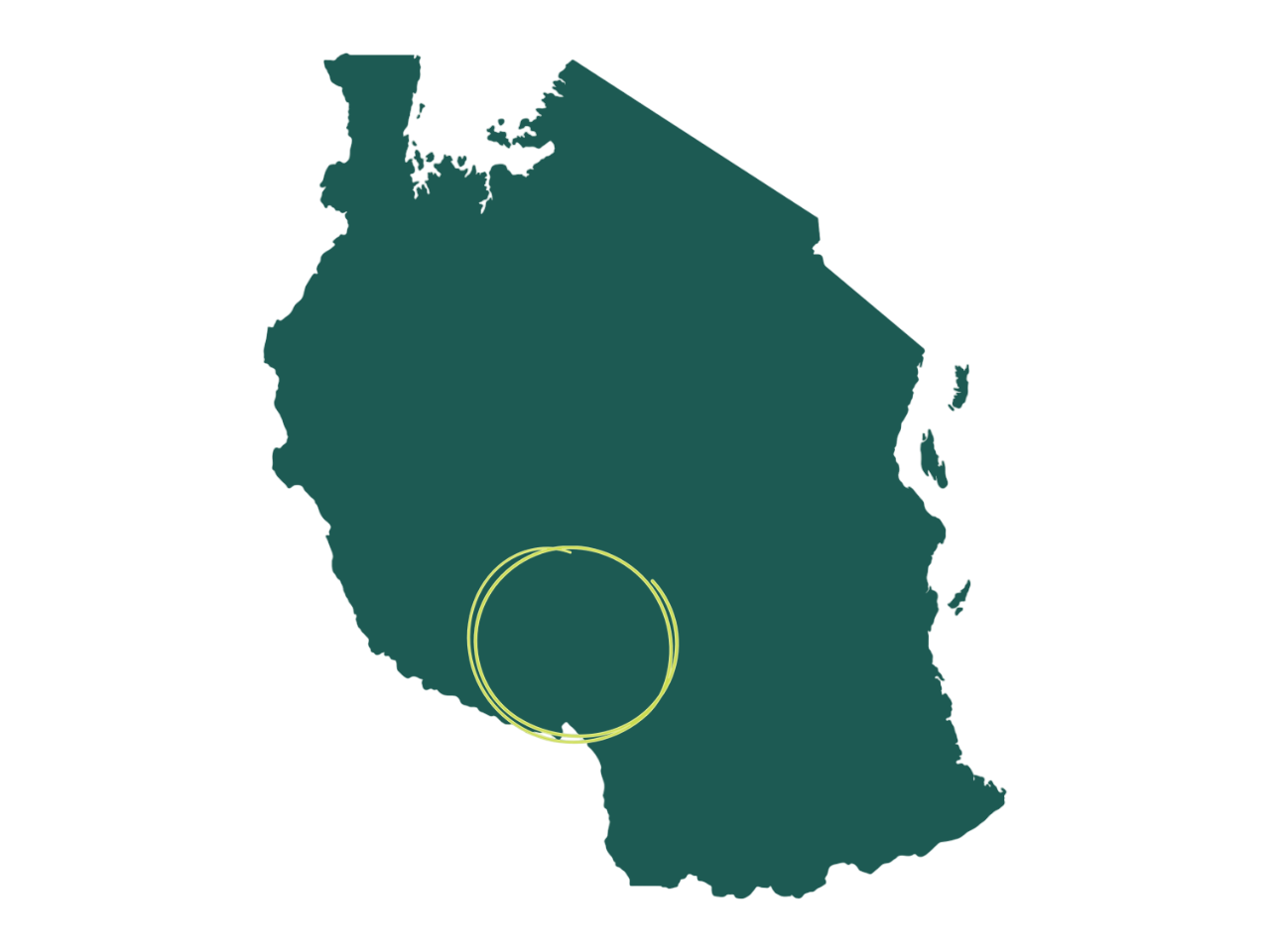
Tanzania

Greener Tanzania through climate resilient livelihoods and land use management

Tanzania

Main sectors: Agriculture, land use, rural development

Target groups: Three organizations in the Arusha area that support their members’ climate resilience and green economy. This directly benefits 5,000 members and affects 60,000 hectares of managed land.

Partner organisations:

  • Pastoral Women’s Council (PWC): A women‑led organisation that supports pastoralist women and girls. The organisation has 6,500 members.

  • MVIWAARUSHA: A regional support network for farmers, with 11,000 members.

  • Ujamaa Community Resource Team (UCRT): Works with 40 communities to secure traditional land rights.

Other cooperating actors:

  • TRIAS: An international civil society organization specialized in strengthening member‑based organizations of family farmers and small entrepreneurs.

Donor: Ministry for Foreign Affairs of Finland
Budget: 530,509 euros
Duration: 2023–2026

Project interventions and expected results:

The population in the project area consists mainly of small‑scale farmers from the Maasai community. Climate change affects them significantly: the area shows clear signs of environmental degradation and declining productivity. The project focuses on two main objective areas:

  1. Strengthening the organisations and their services to support members’ climate resilience in an inclusive way.

  2. Supporting members’ livelihoods in the green transition.

Strong organisations are able to respond to their members’ needs regarding climate resilience, which enables the adaptation of services to better meet these needs. Through the project’s activities, farmers’ capacities are strengthened, and the most climate‑critical activities are mapped, laying the foundation for supporting green livelihood opportunities.

Land rights are crucial for the Maasai people, and the rights‑based interventions focus on clarifying the traditional land‑use rights (Customary Right of Occupancy). Particular attention is paid to women through forums on women’s rights and leadership.


From reactive to proactive adaptation: expanding provision of climate proofed services by local farmer organizations

Tanzania

Main sectors: Agriculture, agroecological practices, climate resiliences

Target groups: The direct beneficiaries are the 16,154 members of NADO, of whom 8,869 are women farmers and 7,285 are men. Among these, 4,917 are youth and 8 are classified as persons with disabilities.

Project partners: Njombe Agricultural Development Organization (NADO)

Other project partners: Carbon Action (mentor organisation)

Donor: Ministry for Foreign Affairs of Finland

Budget: 387,992 euros

Duration: 2024–2026

Project activities and desired results:

Small‑scale producers are on the frontline of climate change and are already forced to adapt to shifting conditions. Resilient smallholders support local food security, reduce pressure for rural out‑migration, and contribute to climate change mitigation. However, they are disproportionately vulnerable and highly dependent on degraded natural resources and limited infrastructure. In Tanzania as well, climate change is placing pressure on different production sectors, and producers must actively seek effective strategies for adaptation.

The project aims to provide producers with access to services based on agroecological principles, tree planting and agroforestry, which strengthen their adaptive capacity. Tools and methods are developed together with the producer organisation, based on their experiences. Using the Building Resilience I (BR‑I) tool, producers prioritise which methods they want to develop and what skills they need. With the second part of the tool (BR‑II), the producer organisation can assess its own capacity and member services. This assessment forms the basis for the organisation’s climate plan to strengthen members’ climate resilience.

The plan highlights the sustainability elements that are directly relevant to producers (e.g., diversification, efficiency, and solidarity) and that support proactive transformation towards climate resilience (e.g., governance and circular economy). The plan also pays special attention to groups in vulnerable positions, such as women, youth and persons with disabilities. In parallel with improving short‑term productivity and profitability, the project creates an action plan that enables the development of creative adaptive capacity across different production sectors.

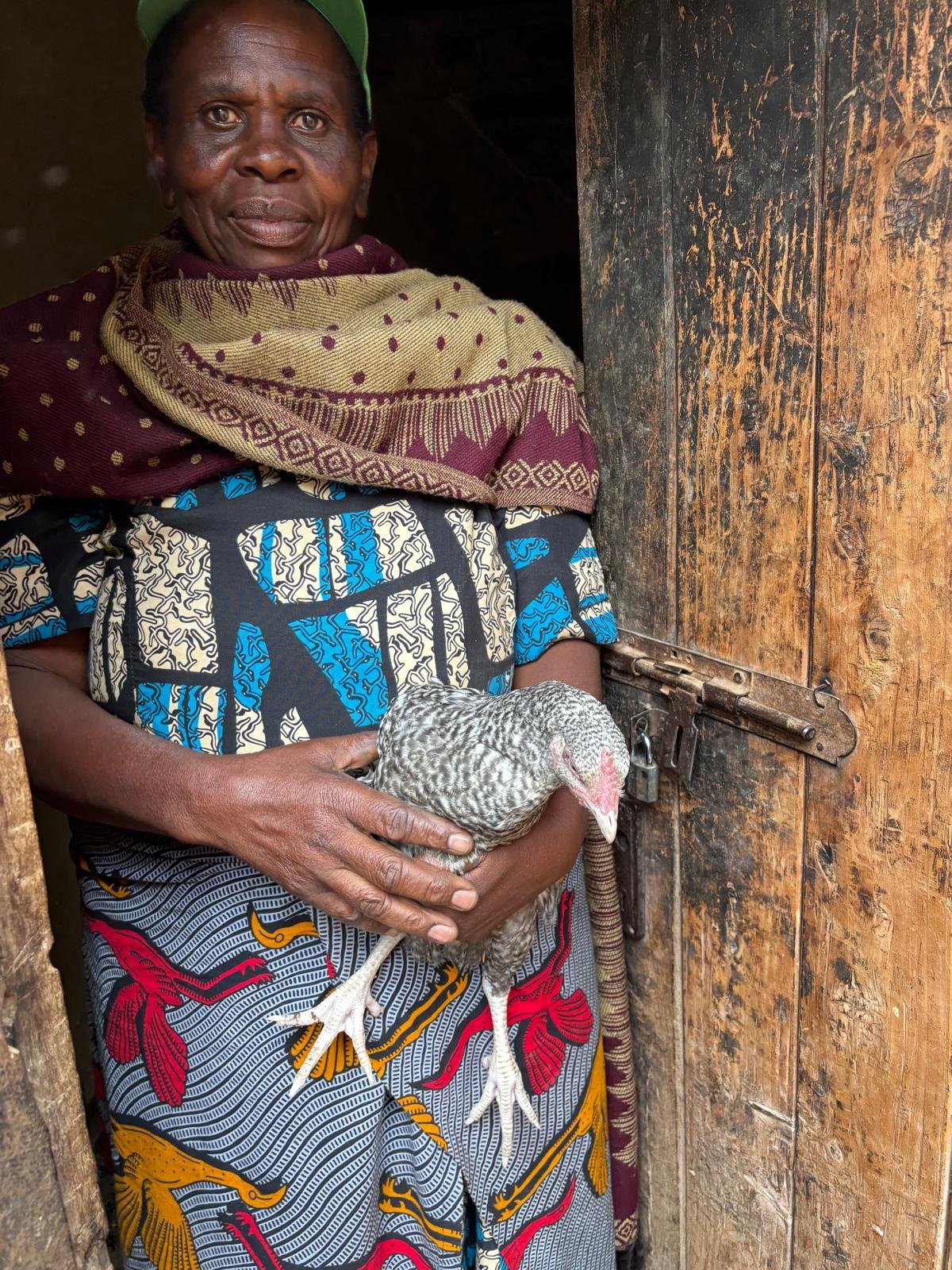
The project improves smallholder livelihoods and promotes more sustainable production methods. The farmer groups supported by the project grow potatoes and various vegetables, raise poultry, produce honey and run nurseries. In addition, some groups produce soap and batik‑dyed fabrics.


Community-Led Environmental and Agricultural Restoration, Tanzania

Strengthening locally led restoration capacity among farmer and pastoralist communities inthe Southern Highlands and Northern (semi-) Arid areas of Tanzania


TANzANIA

Main sectors: Agriculture, entrepreneurship and environment

Target groups: Smallholder farmers, pastoralists and forest management organisations

Project partners: MVIWAARUSHA, MVIWAMA and TTGAU

Other project partners: TRIAS

Donor: International Institute for Environment and Development (IIED)

Budget: 604,200 euros

Duration: 2024–2027

Project activities and desired results:
The project supports farmers, pastoralists and small entrepreneurs—particularly women and youth—in restoring degraded land, strengthening climate resilience and diversifying their income sources.

The project:

  • Strengthens farmer organizations and supports participatory research on land degradation and climate risks

  • Promotes climate‑smart practices, such as model farms and tailored land‑restoration methods

  • Resolves land conflicts through boundary agreements

  • Improves access to microcredit through 15 community‑based microfinance groups

  • Trains leaders and raises awareness on gender‑based violence

  • Develops climate‑resilience strategies for organisations and collaborates with authorities to ensure that restoration strategies are integrated into regional and local policies

    The overall aim of these interventions is to increase agricultural productivity, sustainable livelihood opportunities and environmental restoration.


Strengthening small-holders’ opportunities in environmentally and socially responsible value chains for sustainable livelihoods

(SENSOR)

Tanzania

Main sectors: Horticulture, quality assurance, certification

Target groups:

  • 5,000 smallholder farmers whose skills in quality assurance are strengthened

  • 1,000 farmers gaining access to international export markets

  • 15 TAHA agronomists trained according to Global G.A.P. standards

  • Final beneficiaries: up to 25,000 people

Project partners:
Tanzania Horticultural Association (TAHA)

Other project partners:
The Finnish Horticultural Association (mentor organisation)

Donor: Ministry for Foreign Affairs of Finland

Budget: 511,175 euros

Duration: 2021–2024

Project activities and desired results (summary)

Agriculture, particularly horticulture, constitutes a significant part of Tanzania’s economy. More than two‑thirds of the workforce is employed in agriculture, and around 60% of them grow crops. Tanzania has strong potential to expand horticultural production, and the sector is highly prioritised in the government’s development strategies, especially to boost exports. However, the major challenge remains the lack of systematic quality assurance procedures and a certified quality management system, both of which are necessary for accessing export markets.

The project focuses on improving smallholders’ quality‑assurance skills so that they can meet the requirements of both export and domestic markets.

The project:

  • Develops TAHA’s organisational capacity in quality assurance and social responsibility.

  • Improves member farmers’ quality‑assurance practices and approaches to social responsibility.

  • Strengthens smallholders’ social responsibility and bargaining power within the value chain, and increases national awareness of the project model.

  • Places special emphasis on GLOBALG.A.P. certification for fruits and vegetables. This is achieved through awareness‑raising and comprehensive training related to certification requirements, building market linkages and arranging contract farming opportunities.


Building Resilience with Trees: climate proofing of services provision by local farmer organizations in Tanzania


Tanzania

Main sectors: Agriculture, forestry, farmer‑led research

Target groups: Approximately 8,000 farmers (avocado and macadamia) in two regions of Tanzania. One third of the farmers are women.

Project partners:

Tanzania Tree Growers’ Association Union (TTGAU):
A member‑based organisation founded in 2017 to promote the interests of tree‑growing associations. It comprises 136 associations with a total of over 9,000 members, one third of whom are women.

Njombe Agricultural Development Organization (NADO):
A member‑based organisation registered in 2008, consisting of 60 communities with more than 16,000 members. Of these, 7,300 members (one quarter of them women) cultivate various types of trees as their crops.

Other partners:

Sokoine University of Agriculture (SUA):
A university in Morogoro and Tanzania’s leading research centre for forestry and agriculture. The university conducts numerous research projects related to agroforestry and the management of tree plantations.

Donors:
The AgriCord network implements the project with funding from the European Commission (EC) and the Organisation of African, Caribbean and Pacific States (OACPS).

Budget: 400,520 euros

Duration: 2022–2025

Project activities and desired results:
The project applies at least six agroecological principles and aims to strengthen farmers’ climate resilience through knowledge sharing (Building Resilience tool I), improved efficiency (development of governance systems and planting material), enhanced governance within farmer organisations (Building Resilience tool II), synergies (new combinations of trees and crops, soil health, emission reductions), and economic diversification (multi‑crop systems).

Farmers have established six trial sites where the use of biochar, crop rotation, agroforestry and beekeeping methods is being tested. The farmer organisations are expected to improve access to services related to the management of tree plantations and key tree species, and to ensure the climate resilience of these services.