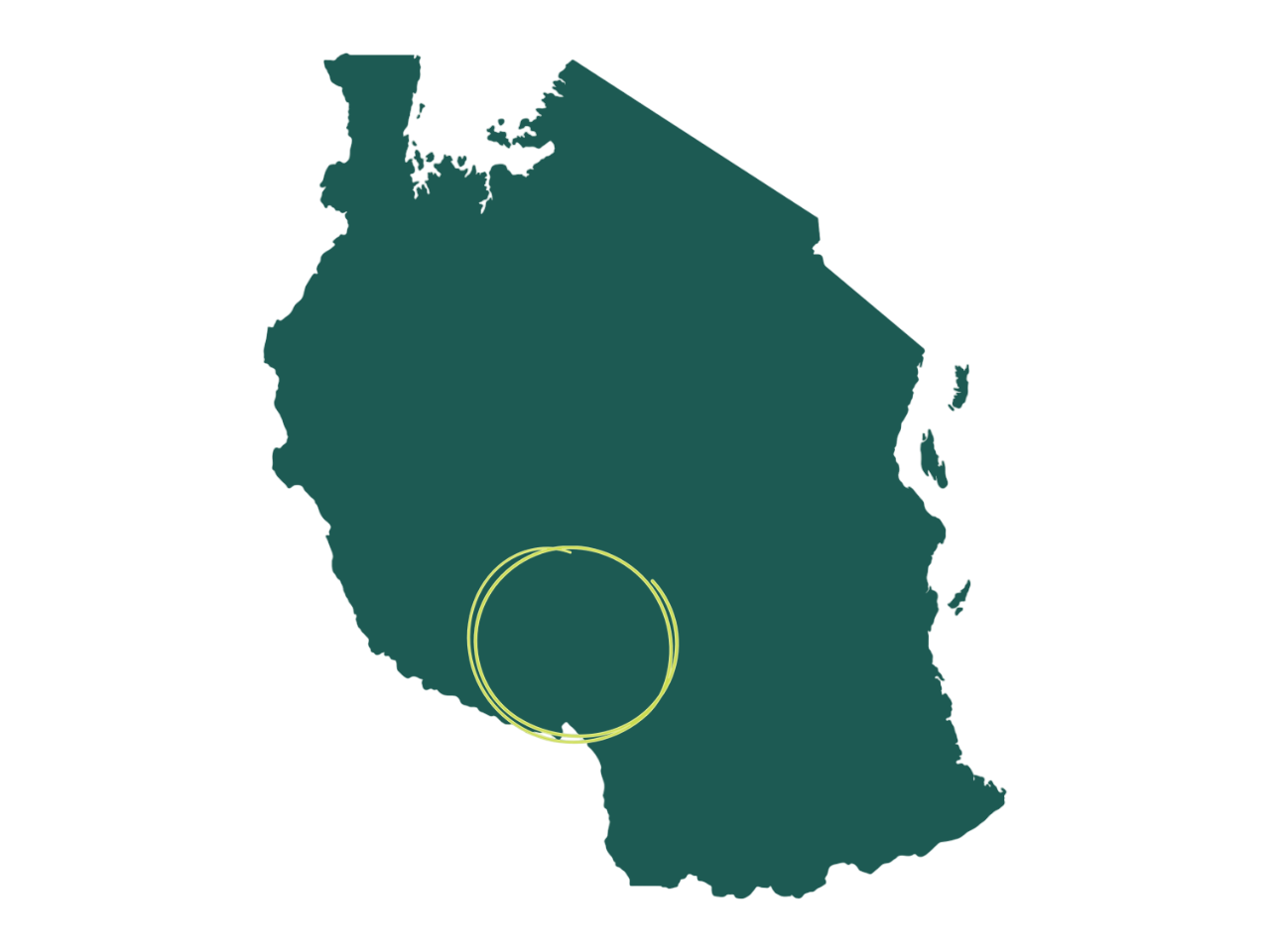
Tanzania
Main sectors: Agriculture, agroecological practices, climate resiliences
Target groups: The direct beneficiaries are the 16,154 members of NADO, of whom 8,869 are women farmers and 7,285 are men. Among these, 4,917 are youth and 8 are classified as persons with disabilities.
Project partners: Njombe Agricultural Development Organization (NADO)
Other project partners: Carbon Action (mentor organisation)
Donor: Ministry for Foreign Affairs of Finland
Budget: 387,992 euros
Duration: 2024–2026
Project activities and desired results:
Small‑scale producers are on the frontline of climate change and are already forced to adapt to shifting conditions. Resilient smallholders support local food security, reduce pressure for rural out‑migration, and contribute to climate change mitigation. However, they are disproportionately vulnerable and highly dependent on degraded natural resources and limited infrastructure. In Tanzania as well, climate change is placing pressure on different production sectors, and producers must actively seek effective strategies for adaptation.
The project aims to provide producers with access to services based on agroecological principles, tree planting and agroforestry, which strengthen their adaptive capacity. Tools and methods are developed together with the producer organisation, based on their experiences. Using the Building Resilience I (BR‑I) tool, producers prioritise which methods they want to develop and what skills they need. With the second part of the tool (BR‑II), the producer organisation can assess its own capacity and member services. This assessment forms the basis for the organisation’s climate plan to strengthen members’ climate resilience.
The plan highlights the sustainability elements that are directly relevant to producers (e.g., diversification, efficiency, and solidarity) and that support proactive transformation towards climate resilience (e.g., governance and circular economy). The plan also pays special attention to groups in vulnerable positions, such as women, youth and persons with disabilities. In parallel with improving short‑term productivity and profitability, the project creates an action plan that enables the development of creative adaptive capacity across different production sectors.
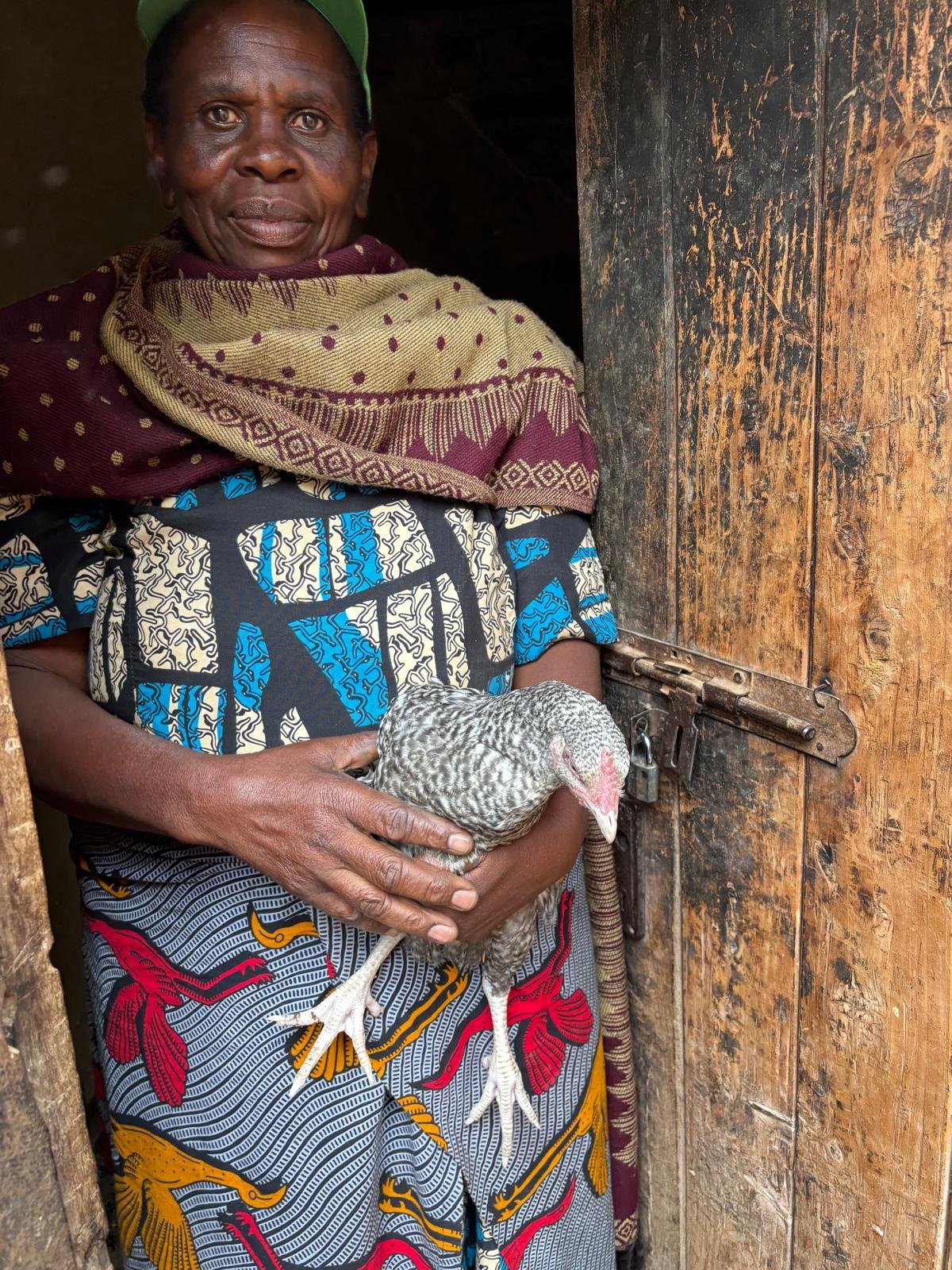
The project improves smallholder livelihoods and promotes more sustainable production methods. The farmer groups supported by the project grow potatoes and various vegetables, raise poultry, produce honey and run nurseries. In addition, some groups produce soap and batik‑dyed fabrics.