As the morning bell rings at Mtapa Secondary School in Tanzania’s Wanging’ombe District, students walk into their classrooms carrying books instead of buckets of water.
It may seem like an ordinary start to the school day, but it represents a significant change. Previously, students often had to walk long distances to collect water from rivers and unsafe wells before lessons could begin. Fetching water took away valuable learning time, left students tired and exposed them to health risks associated with unsafe water sources.
Today, clean and safe water is available within the school compound through a rainwater harvesting system. Together with a school vegetable garden and tree planting, the system demonstrates how locally appropriate climate adaptation measures can support education, health, nutrition and care for the environment.
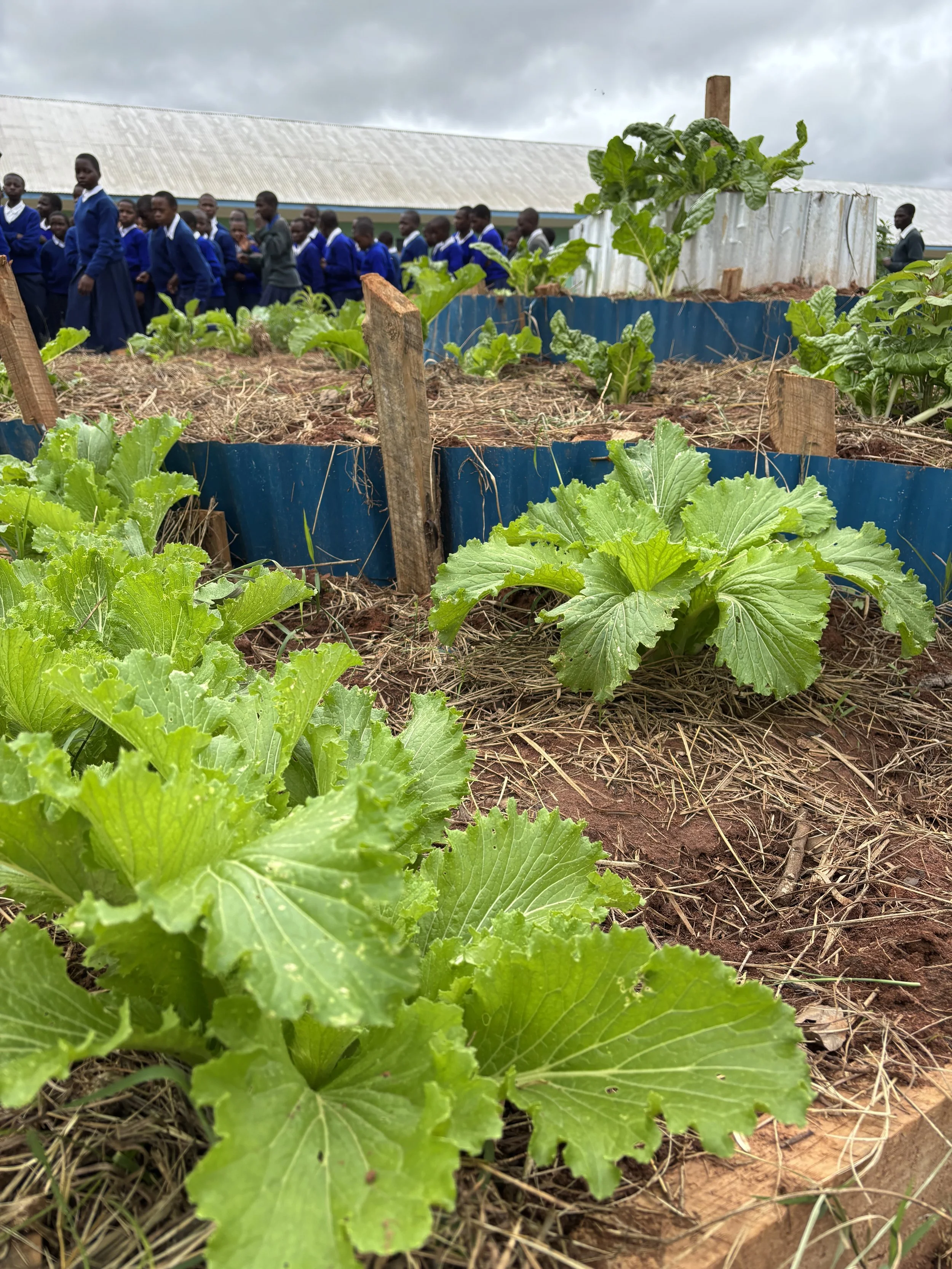
Part of the newly established kitchen garden in Mtapa Secondary School. Photo credit: Jenny Öhman - FFD
More time for learning
Mtapa Secondary School has 397 students, including 256 girls and 141 boys, as well as 19 teachers. Reliable access to water means that students can spend more time in class instead of searching for water. Teachers have also observed improved concentration, as students no longer arrive at lessons exhausted after walking long distances and carrying heavy containers.
According to the school’s headmaster, Emelye Obadia Chatanda, the intervention has addressed one of the school community’s most pressing everyday challenges:
“NADO has become a major pillar of our school. The rainwater harvesting project has wiped away the tears of our students and the surrounding community. Before the project, students walked long distances to fetch water from rivers and unsafe wells. Today they have clean and safe water within the school, giving them more time to learn and protecting their health.”
”Before the project, students walked long distances to fetch water from rivers and unsafe wells. Today they have clean and safe water within the school, giving them more time to learn and protecting their health.”
Water supports a healthier school garden
The harvested rainwater is also used to irrigate the school’s vegetable garden. Students learn how to grow and care for vegetables while developing practical agricultural skills that they can use at home and share in their communities. The vegetables also contribute to healthier school meals.
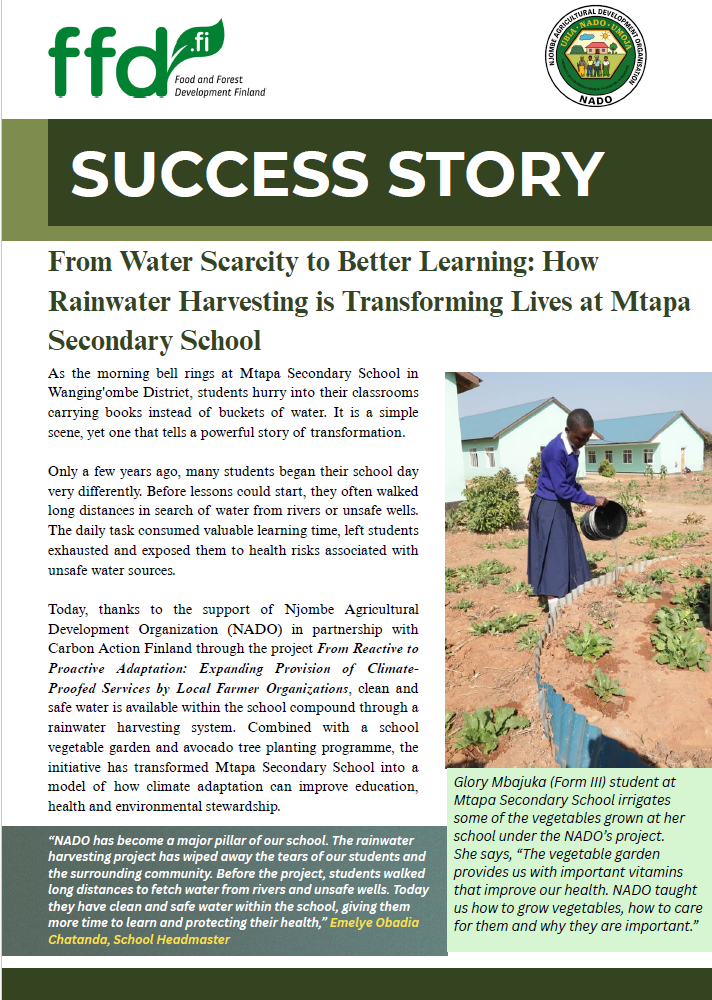
For Form Three student Glory Mbajuka, the garden has increased students’ understanding of food and nutrition:
“The vegetable garden provides us with important vitamins that improve our health. NADO taught us how to grow vegetables, how to care for them and why they are important. I encourage students across Tanzania to grow vegetables because they improve both our health and our environment.”
Glory Mbajuka, Form Three student
By combining water harvesting with practical learning, the school garden connects climate adaptation directly with students’ everyday lives. It shows how water, nutrition, agriculture and education can reinforce one another.
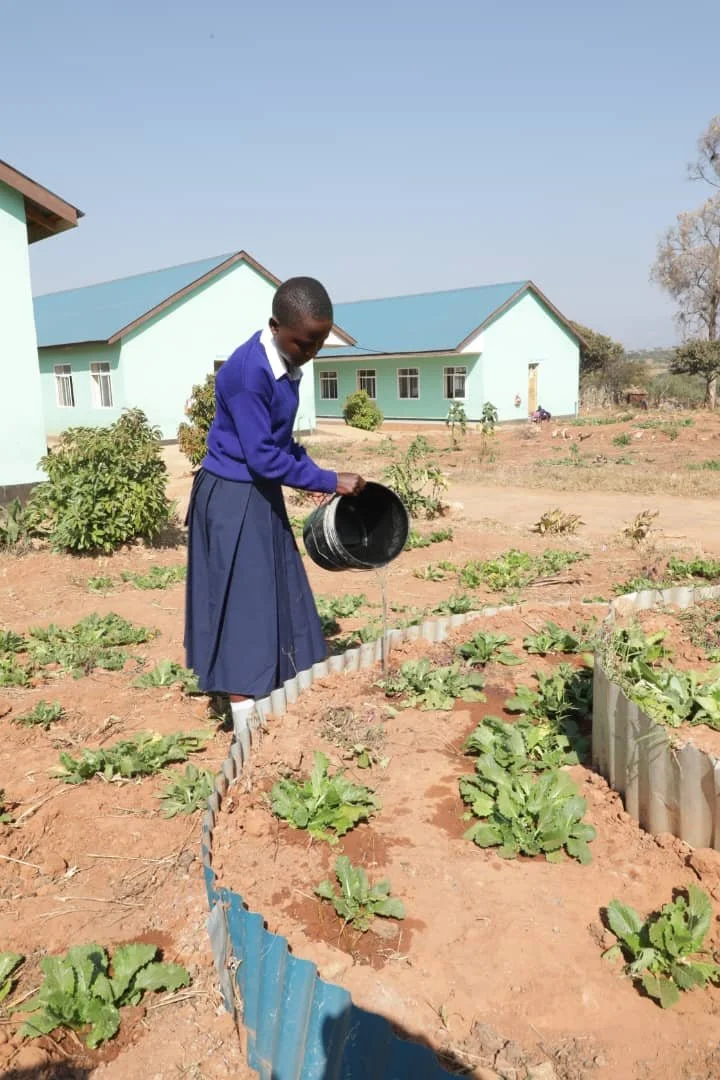
Form Three student Glory Mbajuka waters vegetables grown in the Mtapa Secondary School garden. The garden is irrigated using harvested rainwater and helps students learn practical cultivation and nutrition skills. Photo credit: NADO
”The vegetable garden provides us with important vitamins that improve our health. NADO taught us how to grow vegetables, how to care for them and why they are important. I encourage students across Tanzania to grow vegetables because they improve both our health and our environment.”
Students planting for the future
Climate adaptation at Mtapa Secondary School extends beyond water and nutrition. Students have planted 32 avocado trees around the school compound, creating a greener learning environment and contributing to long-term environmental conservation.
The trees help reduce dust, protect the soil from erosion and support biodiversity. As they mature, they are also expected to provide nutritious fruit for students. Any surplus harvest could offer the school an opportunity to generate additional income.
Form Four student Victor Shadrack Kissi sees tree planting as both a practical learning opportunity and an investment in the future:
“These avocado trees give us fresh air, improve our environment and help us understand plant science. They will also provide fruit and protect our soil. I encourage young people everywhere to plant and care for trees because they are important for our future.”
Victor Shadrack Kissi, Form Four student
”These avocado trees give us fresh air, improve our environment and help us understand plant science. They will also provide fruit and protect our soil. I encourage young people everywhere to plant and care for trees because they are important for our future.”
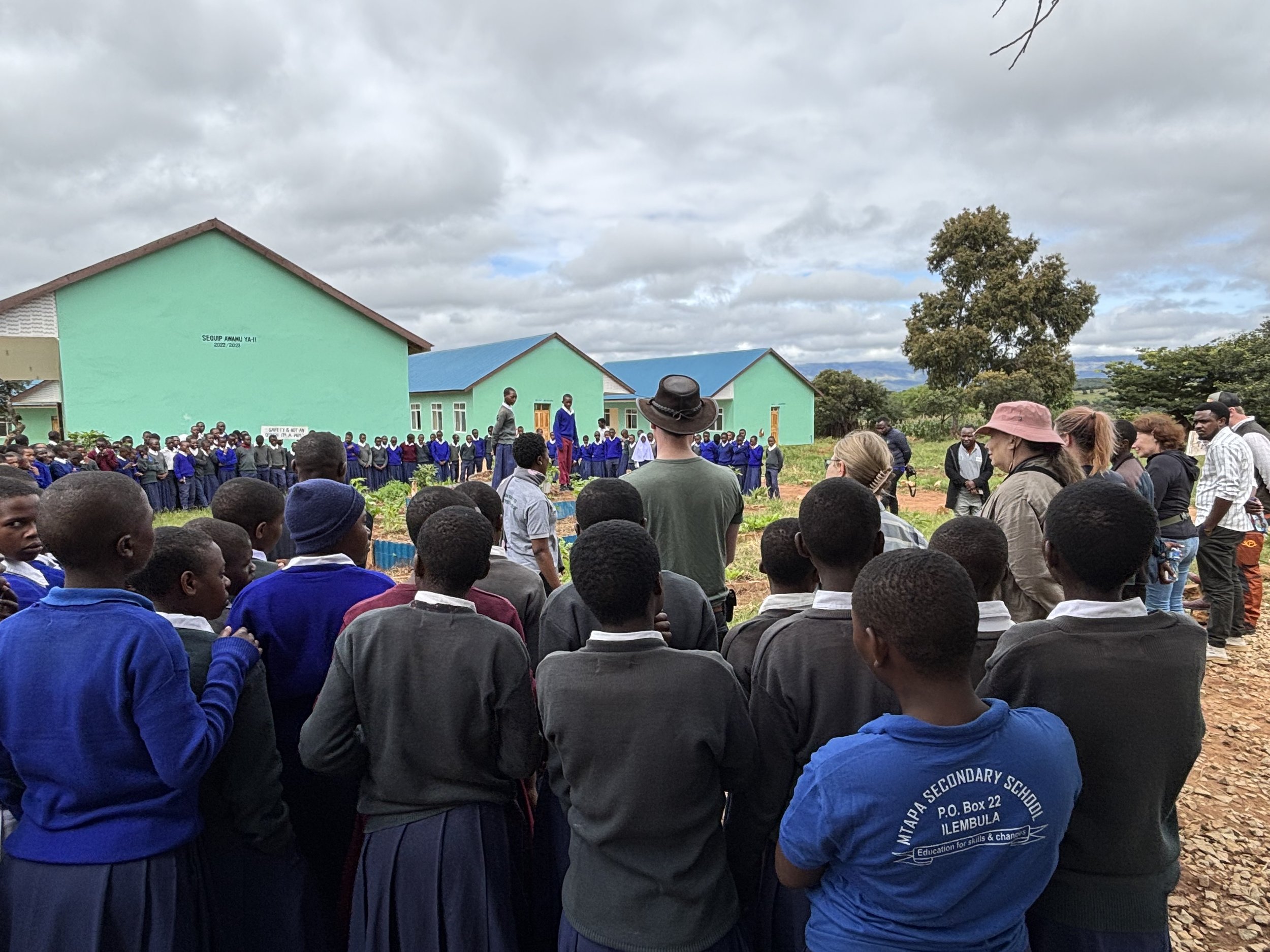
The Kapua volunteers from Finland raised during 2024-2025 funds for rainwater harvesting systems, for establishing kitchen gardens and planting avocado trees at among other Mtapa Secondary School. Photo credit: Jenny Öhman - FFD
Climate adaptation rooted in everyday needs
The experience of Mtapa Secondary School illustrates how relatively simple and practical measures can create several interconnected benefits. Rainwater harvesting has reduced the time students spend searching for water. The vegetable garden supports nutrition and agricultural learning. Tree planting protects the school environment while helping students understand the role of vegetation in building resilience to climate change.
These changes are also helping students see climate adaptation in a broader way. It is not only about protecting crops and natural resources. It is also about safeguarding education, improving health and strengthening the ability of communities to respond to changing conditions.
What began as a response to water scarcity has therefore grown into something much wider: a healthier school environment, new practical skills, greater environmental awareness and more time for learning. The school morning is no longer defined by students setting out with buckets to search for water. Instead, students can begin their day in the classroom, learning and preparing to become active contributors to more climate-resilient communities.
Read the success story in pdf-version - produced by our partner NADO.
This success story is originally produced by our partner NADO. The project “From Reactive to Proactive Adaptation: Expanding Provision of Climate-Proofed Services by Local Farmer Organizations” is implemented by Food and Forest Development Finland (FFD) and the local partner Njombe Agricultural Development Organization (NADO) in collaboration with Carbon Action, with funding from the Ministry for Foreign Affairs of Finland (MFAF).