Results from 2025 at a glance
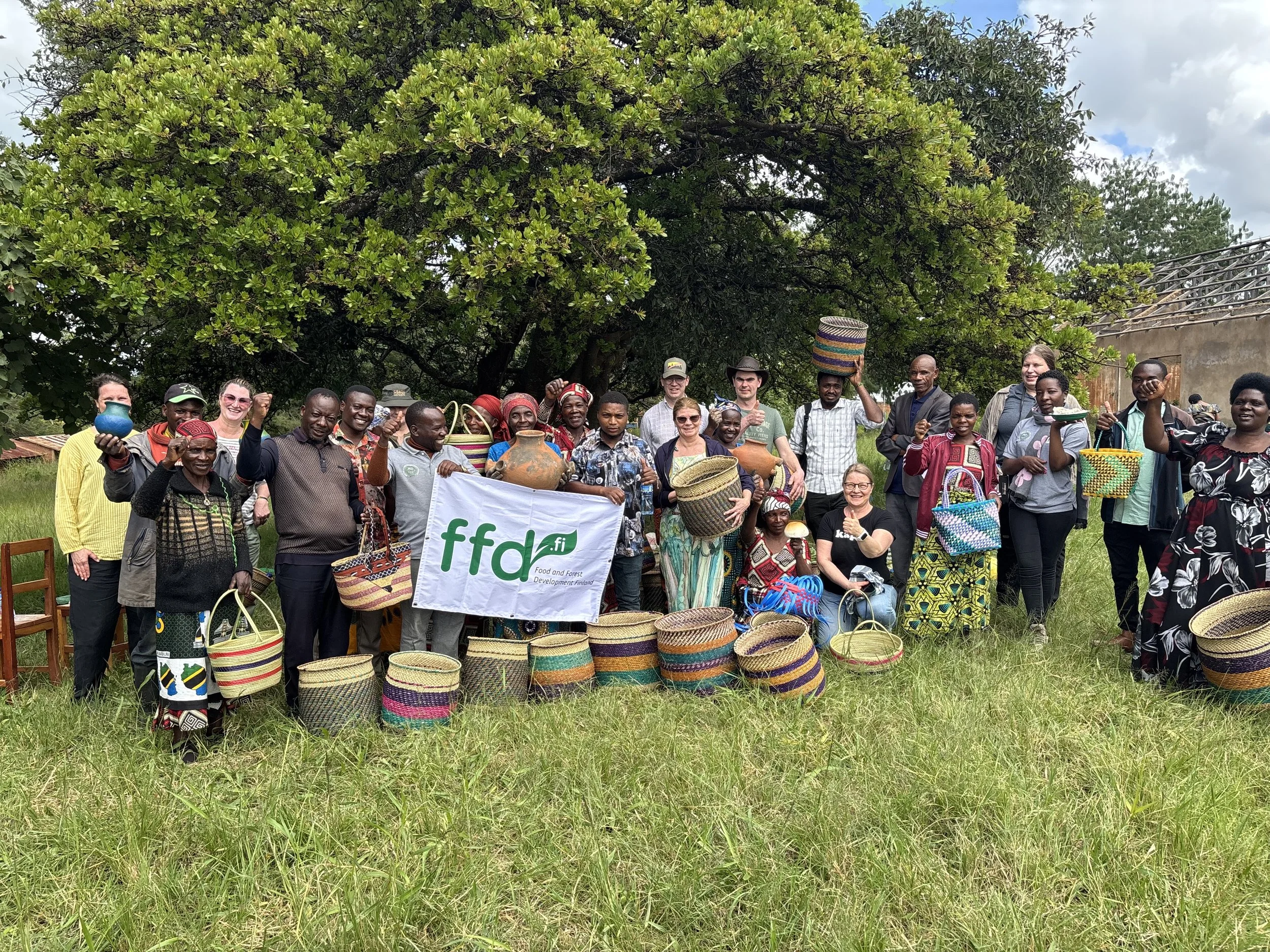
FFD:s work has strengthened smallholder farmers by developing sustainable and climate-resilient value chains from farm to table for over 10 years. By building strong producer organizations, our work improves access to markets, livelihoods and long-term local development. At the same time, our work promotes climate resilience, gender equality and inclusion to ensure fair and sustainable outcomes for all.
Below you can take a deeper look at what was accomplished in 2025.
Global Reach and Scale
4 countries of operation
11 active projects
40 + farmers’ and producer organizations supported
25,000 + producers directly supported
150,000 + people benefiting overall
Livelihood and Income Results
Stronger Producer Organizations
Producer organizations strengthened in financial management, governance, and service delivery
Improved access to markets, advisory services, and income‑generating activities
€480,000 channelled directly to producer organizations in the Global South
Value Chain Improvements
Increased production quality and improved post‑harvest handling
Expanded income opportunities through:
Agroecology and agroforestry
Sustainable coffee production
Fish farming and non‑timber forest products
Improved compliance with sustainability and deforestation regulations
Climate and Environmental Results
Climate‑Resilient Agriculture
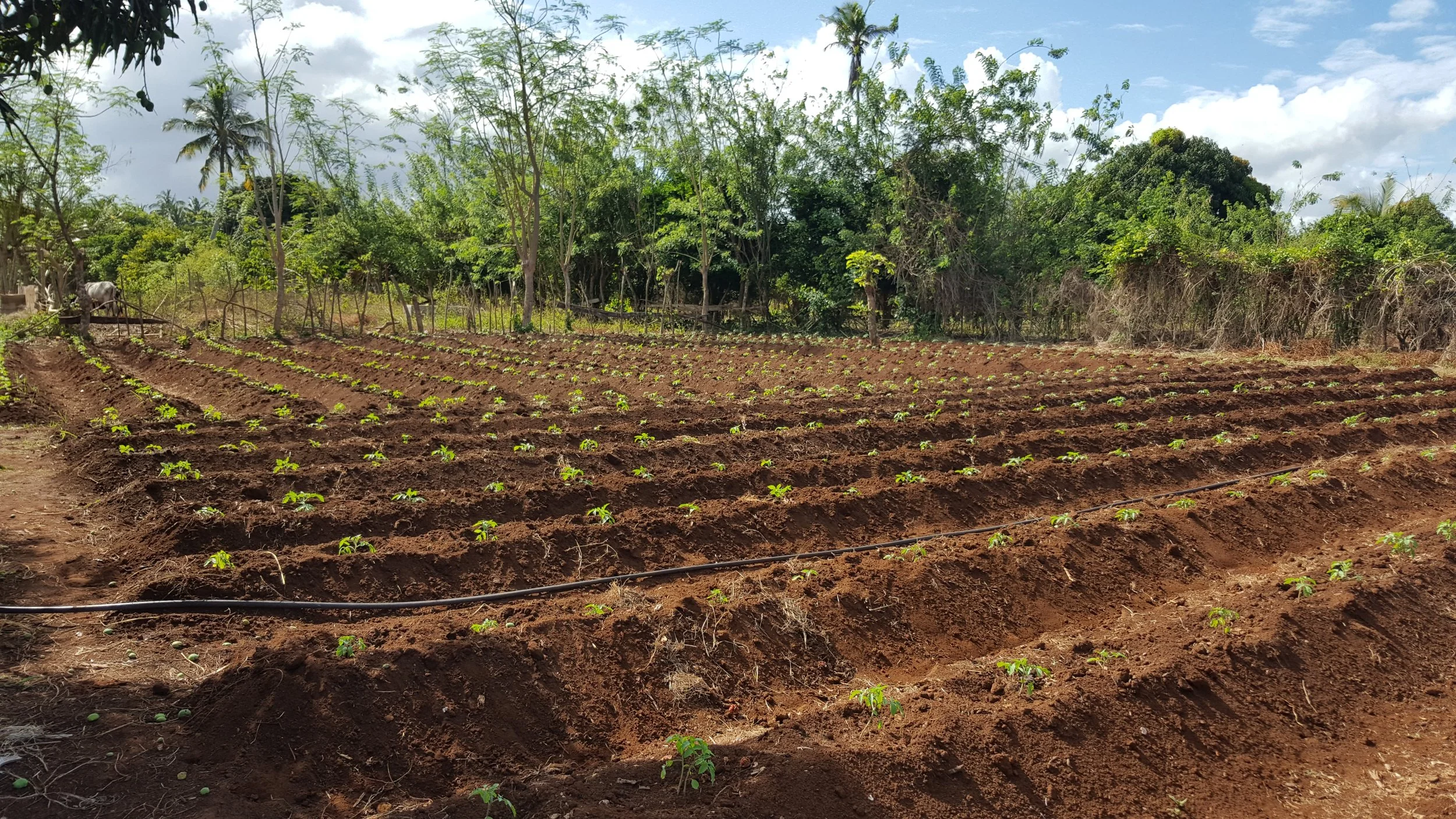
Producers trained in climate‑smart farming, agroecology, and sustainable land use
Climate risks identified and addressed through local adaptation measures
Improved resilience to droughts, floods, and climate‑related shocks
Forests and Trees
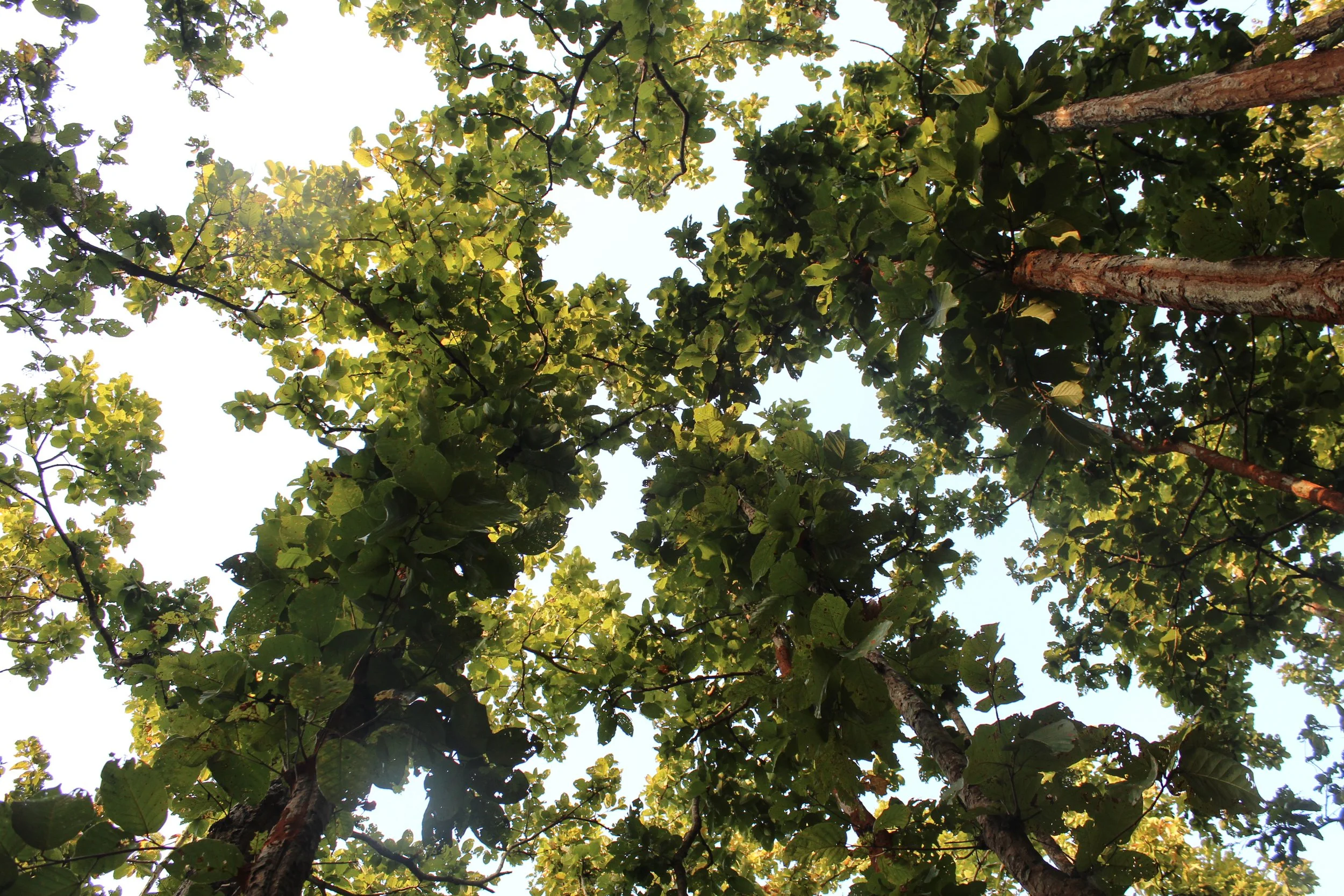
1.5 million tree seedlings produced and sold
140,000 trees planted
Sustainable forest management and forest certification expanded
Forest‑based livelihoods diversified through green business pilots
Country‑Level Results
Kenya
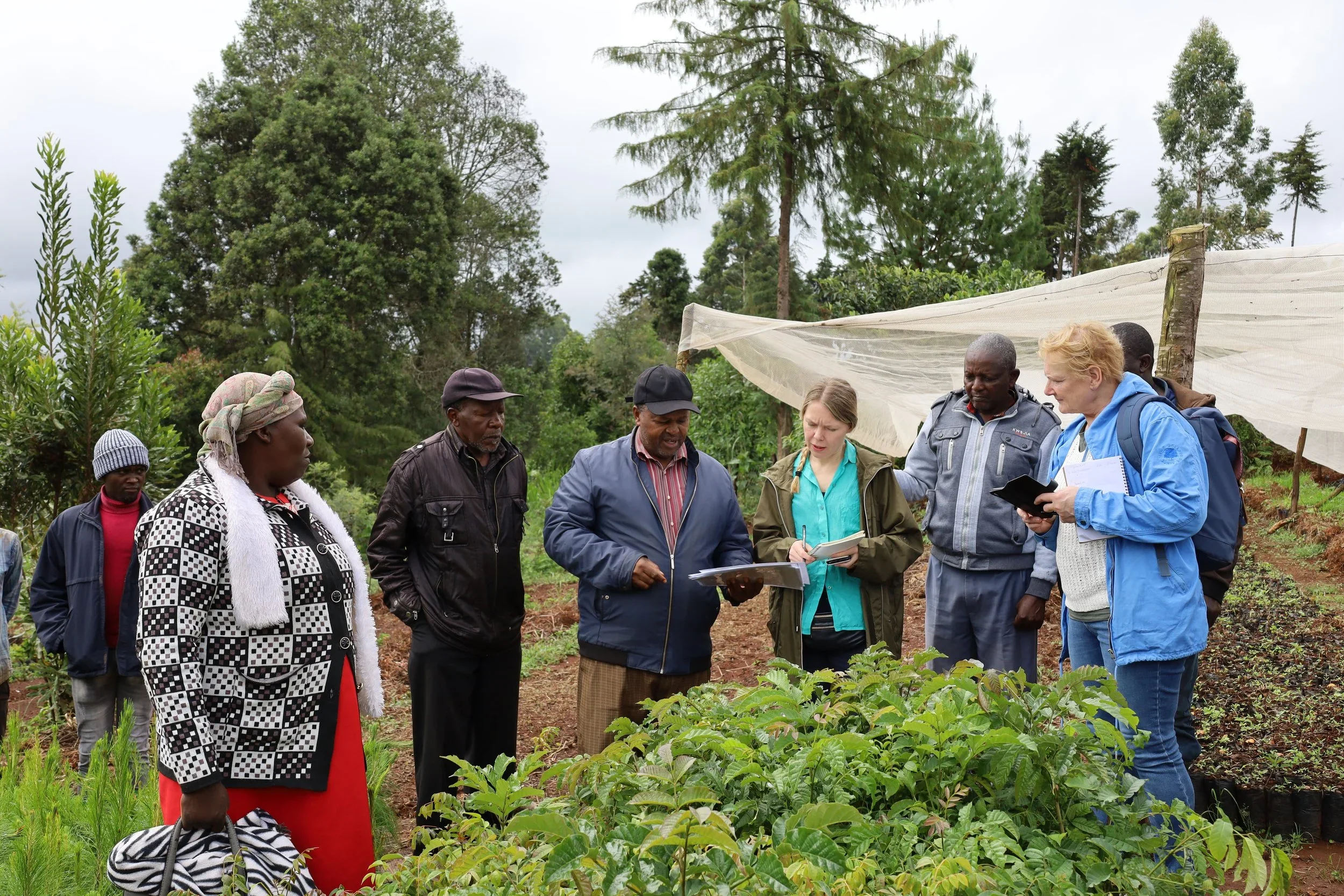
14 producer organizations supported across 6 regions
Improved food security and climate‑smart coffee production
Stronger compliance with EU deforestation regulations (EUDR)
Uganda
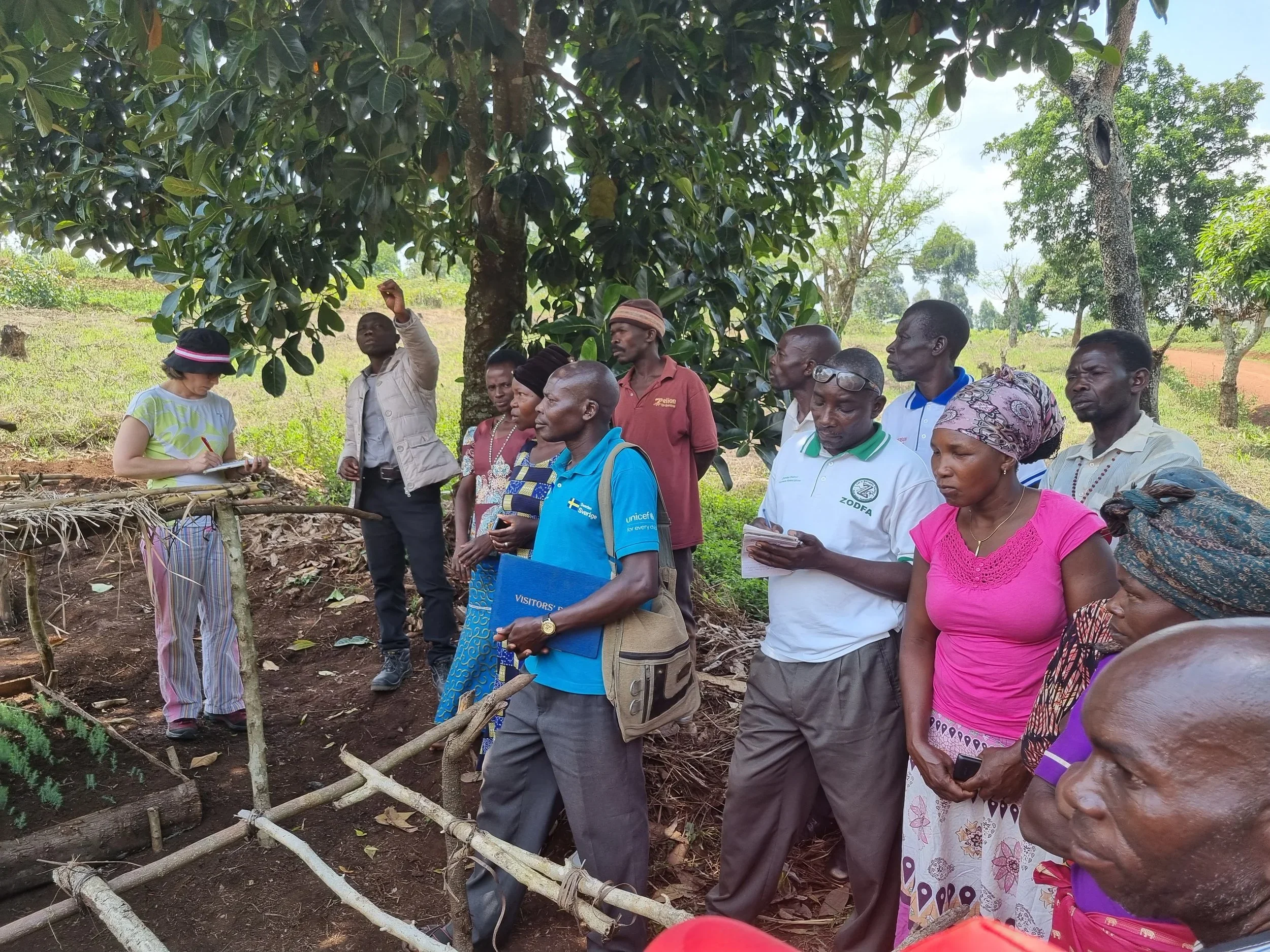
2 projects supporting 5 producer organizations
Improved access to green finance, loans, and advisory services
Climate‑resilient livelihoods strengthened for thousands of producers
Tanzania
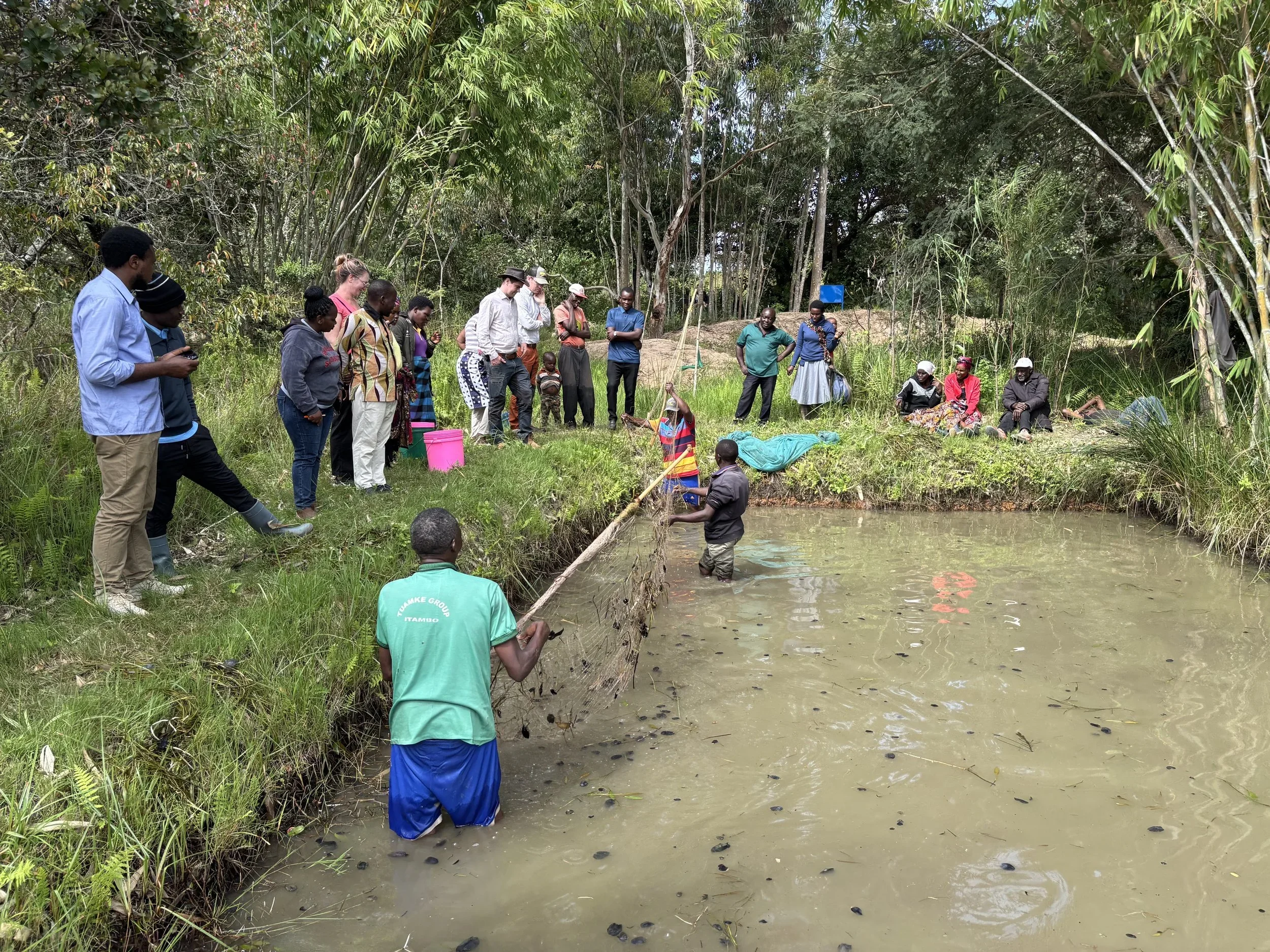
6 projects with 6 producer organizations
14,629 ha under sustainable land and grazing management
28,956 trees planted with a 75% survival rate
53 energy‑efficient stoves and 42 rainwater harvesting systems installed
12,200 + producers trained in sustainable practices
84,300 seedlings produced and 560+ tons of produce marketed with improved handling
Vietnam
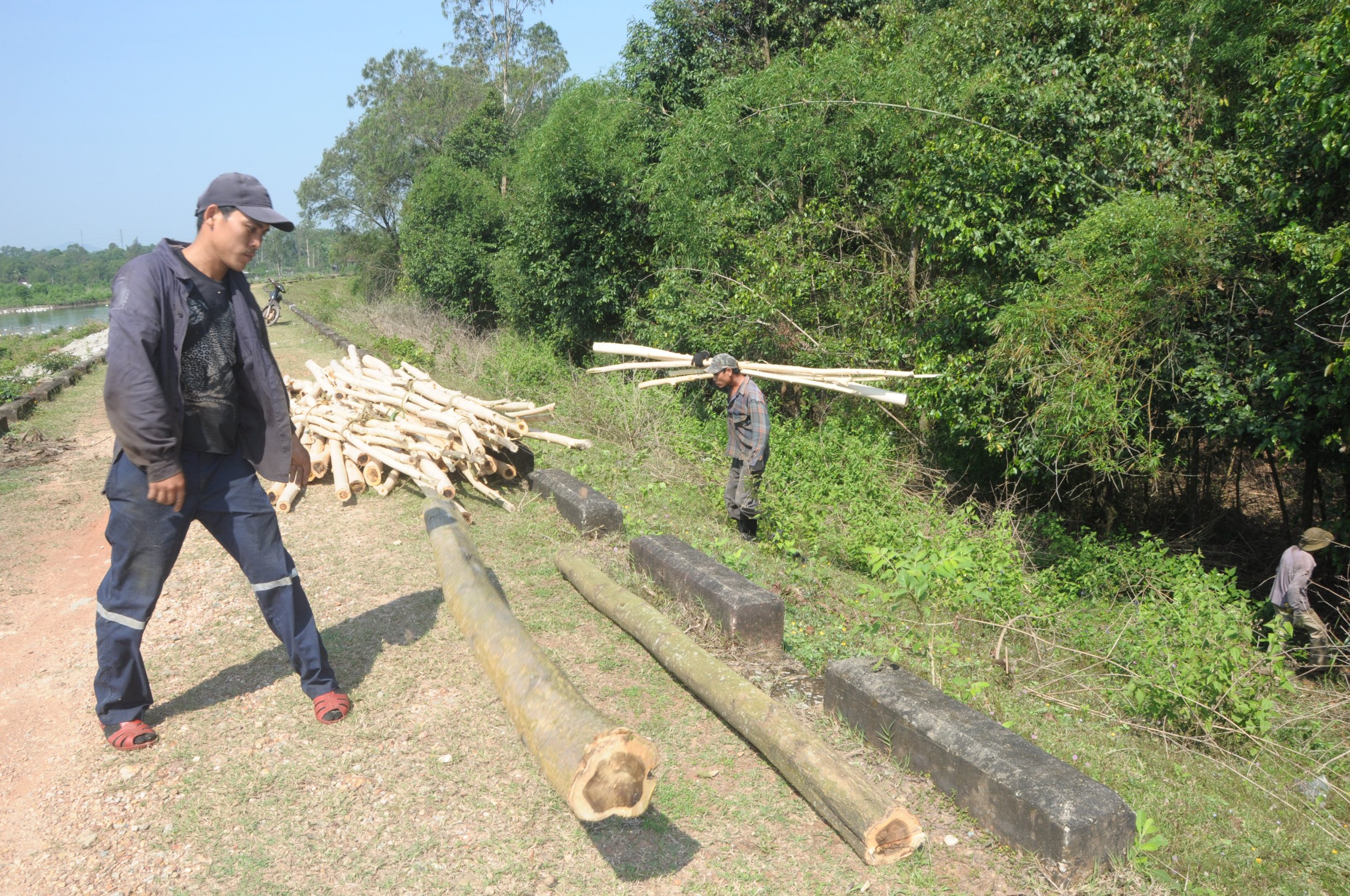
5 producer organizations supported
Sustainable forest management and climate adaptation practices strengthened
Forest certification expanded and maintained
Inclusive forest‑based income opportunities improved, including for ethnic minorities and persons with disabilities
Gender, Youth, and Inclusion Results
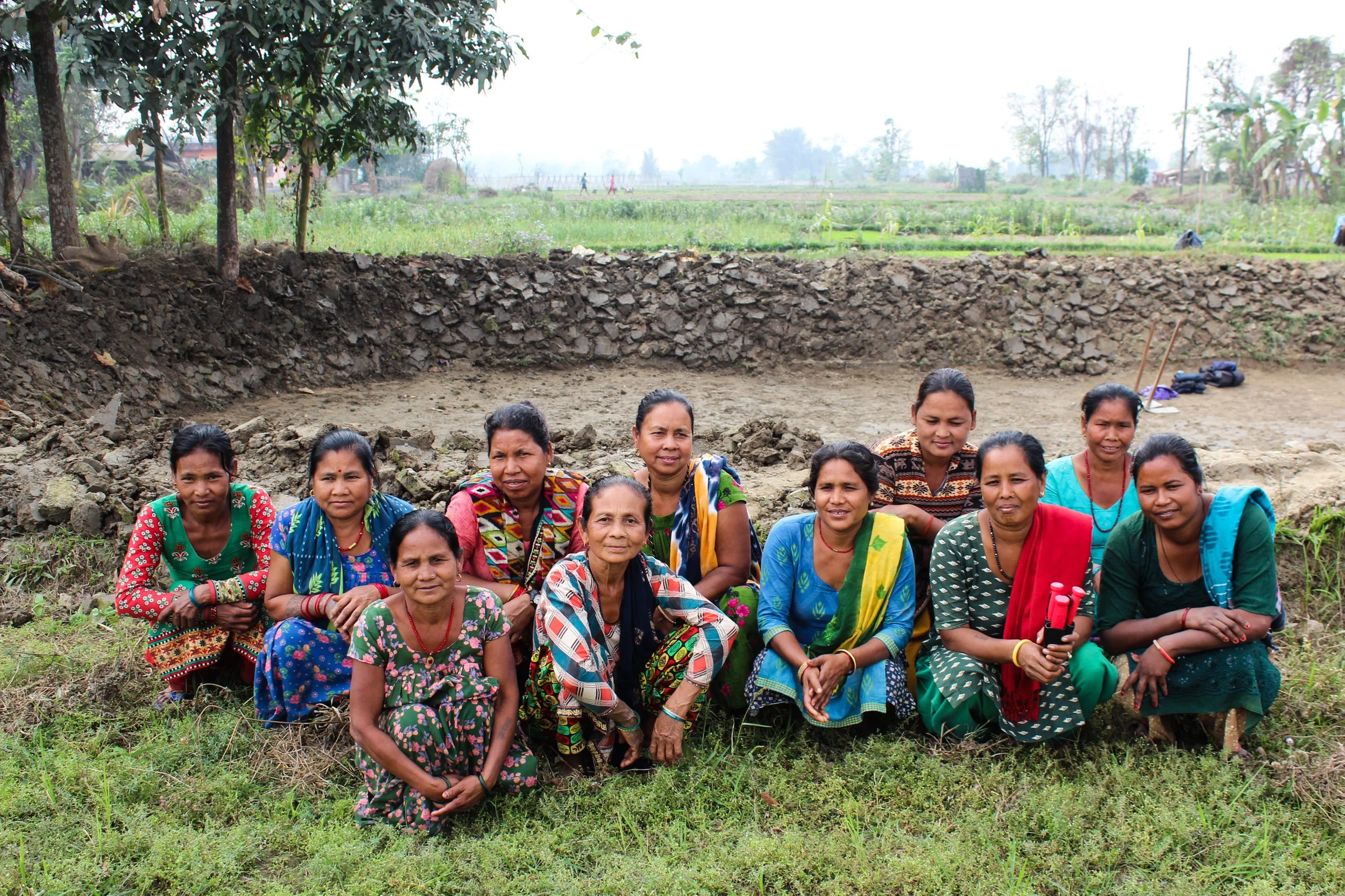
55% women among supported producers
25% young people actively involved
Improved participation of persons with disabilities and marginalized groups
Increased access to leadership, income, and decision‑making roles
Energy and Household‑Level Results
Energy‑Efficient Cooking Solutions
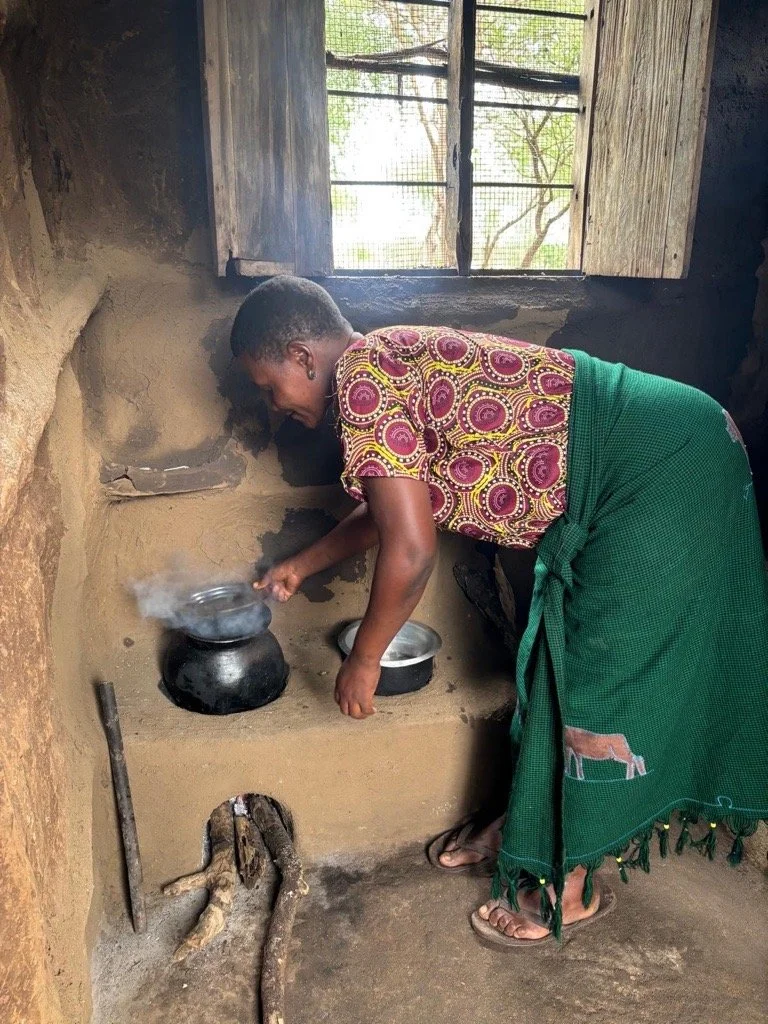
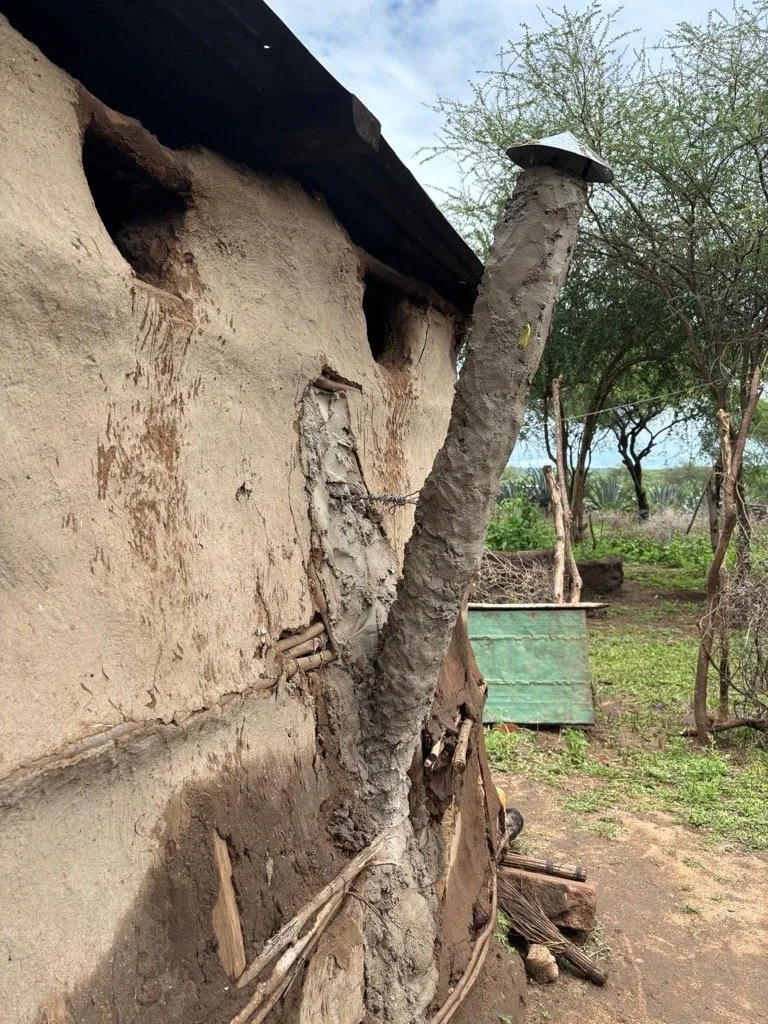
Reduced firewood use and time spent collecting fuel
Improved household health and safety
Time and cost savings redirected to income generation and education
Local businesses established producing and selling energy‑efficient stoves
Education and Capacity Building Results
Global Education and Awareness
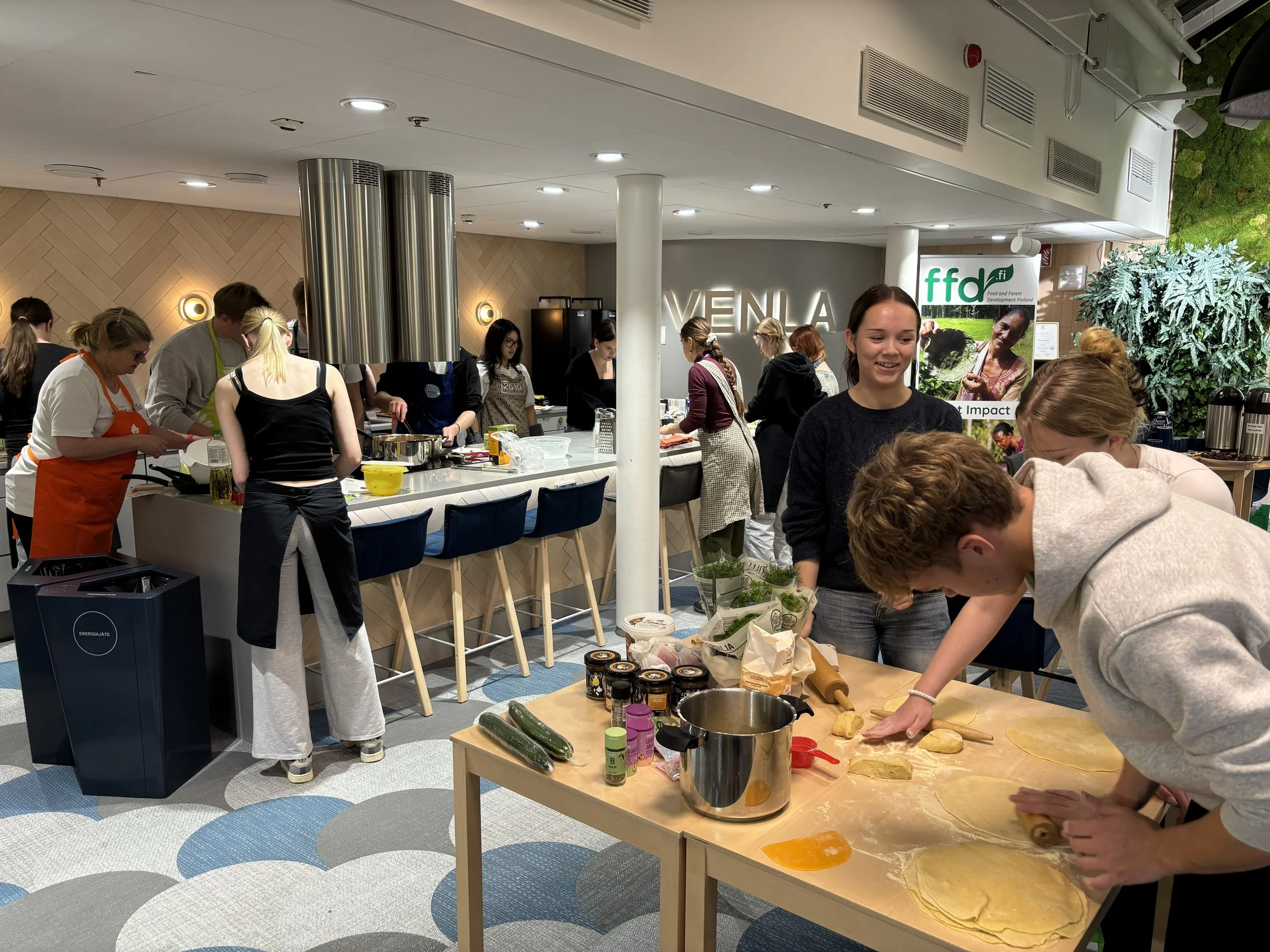
30,000+ people reached through interactive education in Finland
Youth engaged on food systems, climate action, and equality
Stronger connections built between consumers and producers globally
Climate Resilience Capacity
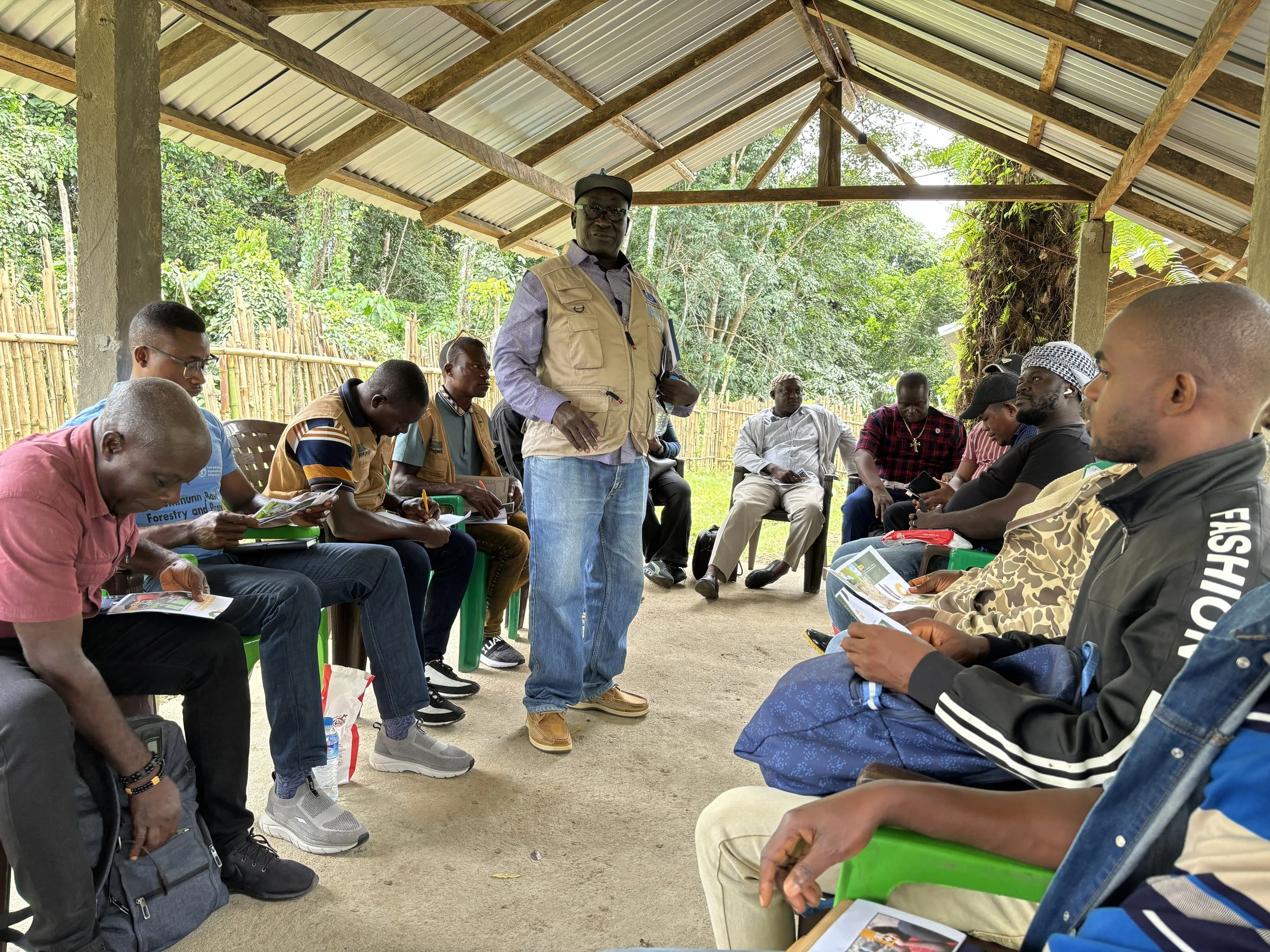
3,200 producers trained in climate resilience planning across 16 countries
20,000 producers reached, benefiting nearly 1 million people
High participation from women, youth, and persons with disabilities
Employment and Local Impact
56 local project staff employed
7 staff providing technical and strategic support
Strengthened local capacity and long‑term sustainability of results